

If you've lived in Seattle for more than a year, you already know what the weather does to wood. Six to seven months of moisture followed by a dry summer stretch is a rough cycle for any deck. Boards absorb that moisture, swell, and eventually crack. Then the sun shows up and speeds up the fading.
Deck stain works by getting in front of that damage, not cleaning it up after. Here's what it actually does for your deck:
A deck that gets stained regularly just holds up better. It's that straightforward.
Most homeowners spend more time picking a paint color for their living room than choosing a deck stain. That's backwards. Choosing the best deck stain for your situation has a direct impact on how long the finish holds, how well it handles Seattle's wet winters, and how much work your deck needs down the road.
This is the first decision, and it matters more than most people think.
Oil-based stains penetrate deeper into the wood fiber, which makes them a strong choice for older or rougher decks that need serious protection. They tend to last longer but take more time to dry and are harder to clean up.
Water-based stains have come a long way. They dry faster, have lower VOC levels, and hold color well. For newer cedar decks common in Seattle builds, a quality water-based formula often performs just as well without the extended dry time.
Whatever product you land on, look for UV inhibitors and mildewcides in the formula. In Seattle, those are not optional extras. They are the difference between a stain job that lasts two to three years and one that looks rough by the end of year one.
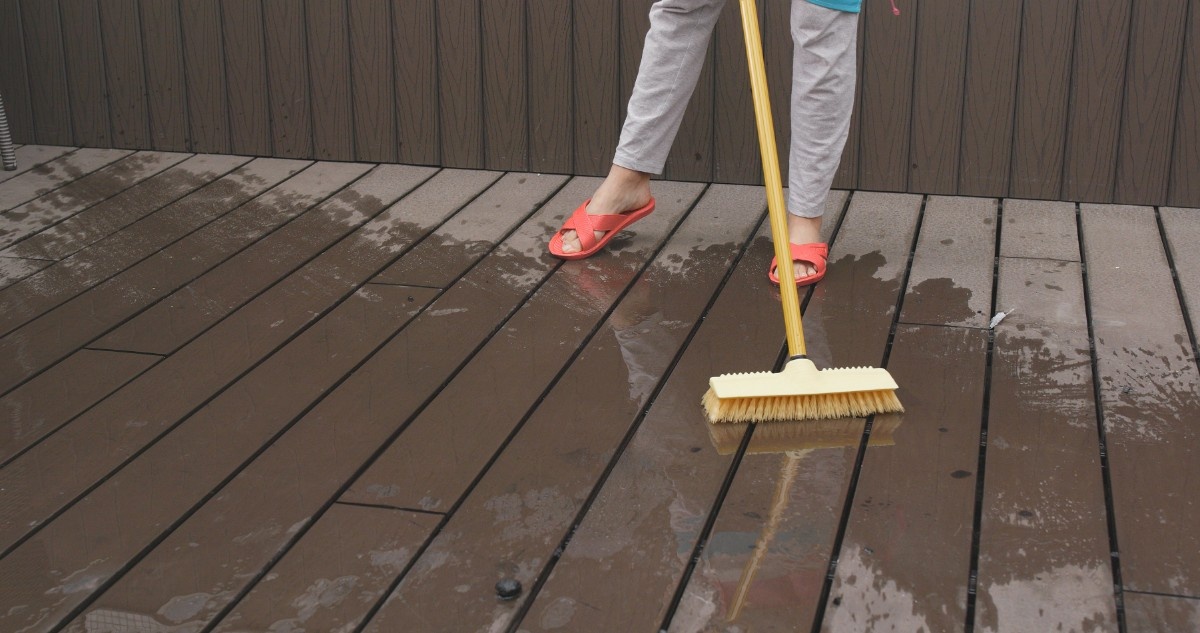
In most parts of the country, this is a simple answer. In Seattle, it takes a little more planning.
The window is real but narrow. You need temperatures between 50 and 90 degrees Fahrenheit, low humidity, and at least 24 to 48 hours of dry weather after application. That rules out most of fall and winter here, and early spring is often too wet to trust.
Late spring and early fall are your best bets. May through June gives you warming temperatures before the summer heat peaks. September is often ideal because the rain hasn't fully returned but the extreme UV of July and August has backed off.
A few things to avoid:
Seattle's shoulder seasons are short. If you miss the window, it is worth waiting rather than rushing the job and redoing it in a year.
Here is the honest truth about deck staining, and one of the most important tips pros will give you: the prep work determines the outcome more than anything else. You can use a premium stain and still get a patchy, peeling result if the surface is not properly ready.
Good prep looks different depending on where your deck is starting from.
This is where prep gets more involved. The surface needs to be:
Skipping any of these steps is the most common reason stain jobs fail early. A deck that looks clean to the eye can still have enough surface residue to prevent proper adhesion.
Pressure-treated lumber needs time to dry out before it will accept stain. Applying product too early means the stain sits on the surface instead of soaking in. Depending on the lumber and storage conditions, the wait is typically 3 to 6 months.
A simple water bead test tells you when it is ready: sprinkle water on the surface and if it absorbs quickly, you are good to go. If it beads up, give it more time.
The honest answer is: it depends, and Seattle's climate tends to push it toward the shorter end of the range.
In ideal conditions with a quality product and proper application, most deck stains last two to three years. But a west-facing deck in West Seattle that takes full afternoon sun and heavy winter rain is going to wear faster than a covered deck in a more sheltered yard.
Signs it is time to reapply:
The cost of waiting too long is always higher than the cost of staying on schedule. Once a deck gets to the point of serious deterioration, you are not just restaining. You are repairing or replacing boards, which changes the project entirely.
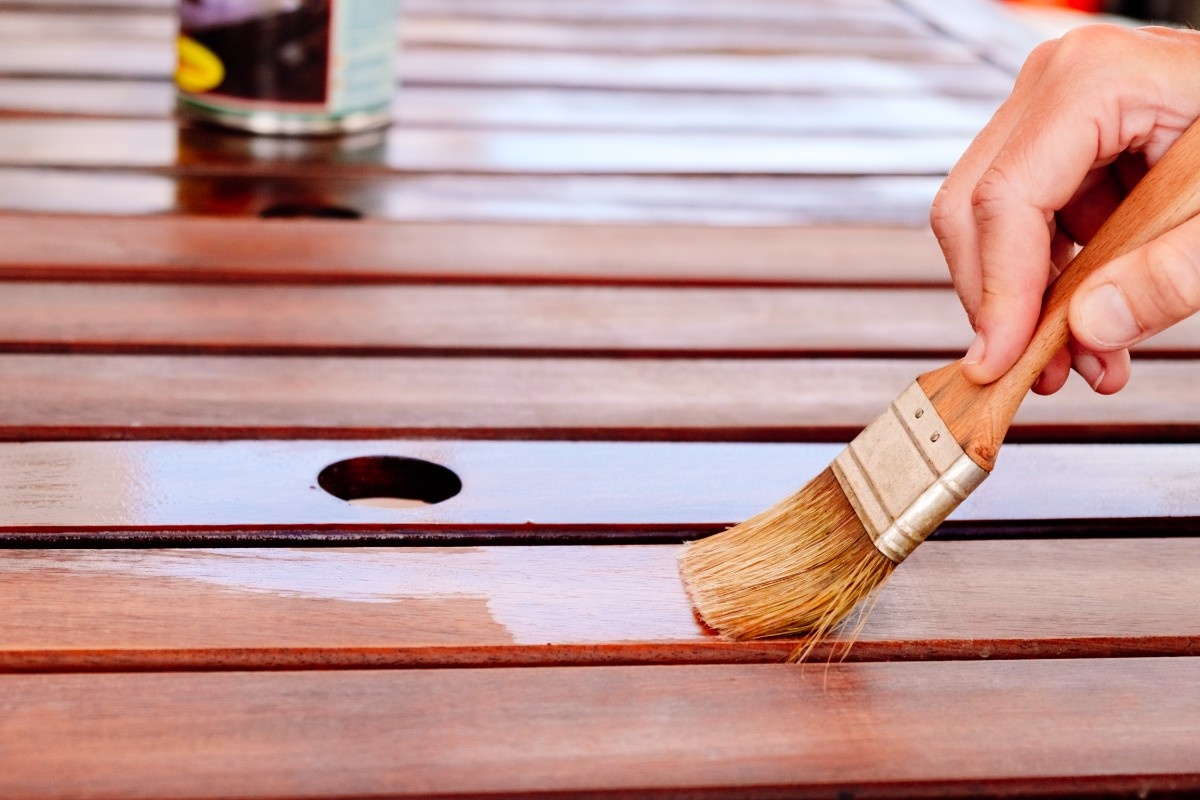
Staining costs in the Seattle area vary based on a few key factors: the size of the deck, its current condition, the stain product chosen, and whether the work is done professionally.
As a general reference point:
As a rough benchmark, professional deck staining in the Seattle area typically runs between $2 and $5 per square foot, depending on deck condition and prep requirements. A 300 square foot deck in decent shape lands on the lower end. One that needs stripping and board repairs can push significantly higher.
Labor rates in the Seattle market run higher than the national average, which is worth factoring into your planning. Professional staining is not just about the application. It is about getting the prep right, choosing the right product for your specific wood and exposure, and not having to redo the job in 18 months.
Every guide to staining your deck covers the basics. What most do not cover is where the process actually breaks down for homeowners in this specific market.
Here is what we see come up most often:
Getting these details right is what separates a stain job that holds for three years from one that needs attention by next spring.
Learning how to stain a deck in Seattle is not complicated, but it does require the right product, the right timing, and solid prep work underneath. In a climate like Seattle's, cutting corners on any of those three things shows up fast.
At Contour Fence, we build decks for Greater Seattle homeowners that are designed to hold up from day one. If your deck is past the point where staining can save it, or you are ready to start fresh with a new build, we are happy to walk you through your options. Contact us today for a free estimate.
Most decks in the Seattle area need restaining every two to three years. Because of the extended wet season and UV exposure in summer, decks here tend to wear faster than in drier climates. Checking annually is a good habit so you can catch early signs of wear before they become a bigger problem.
Look for a penetrating oil-based or high-quality water-based stain with UV inhibitors and mildewcides. In the Pacific Northwest, those two additives are essential, not optional. Semi-transparent formulas tend to work well for cedar decks because they allow some moisture vapor to escape while still protecting the surface.
It depends on the lumber. Pressure-treated wood needs time to dry out after installation, typically several weeks to a few months. A quick way to check: sprinkle water on the surface. If it beads up, the wood is not ready yet. If it absorbs quickly, you are good to move forward with prep and staining.
The stain will not adhere properly. Dirt, mildew, and surface residue act as a barrier between the product and the wood. The result is usually uneven color, poor penetration, and a finish that starts peeling or flaking well before it should. Cleaning and drying the surface is not optional prep work.
Most stains need at least 24 to 48 hours of dry weather after application to cure properly. Check the specific product instructions, but as a general rule, do not start a staining project if rain is forecast within two days. In Seattle, this means keeping a close eye on the forecast before scheduling.
Both have legitimate strengths. Oil-based stains penetrate deeper and tend to last longer, making them a solid choice for older or rougher wood. Water-based stains dry faster, are easier to clean up, and have improved significantly in durability. For newer cedar decks, a premium water-based formula often performs just as well with less downtime.
Costs vary based on deck size, current condition, and the product used. Seattle labor rates run higher than the national average, so budgeting accordingly is worthwhile. A deck in good condition with minimal prep costs less than one that needs stripping, repairs, and multiple prep steps before any stain goes on.
Not recommended. Most stains require temperatures above 45 to 50 degrees Fahrenheit to apply and cure correctly, though the exact minimum varies by product. Always check the label. Applying stain in cold weather means it will not penetrate the wood properly, will not cure fully, and will likely fail much sooner than expected. In Seattle, this typically rules out staining from late October through early March.
.jpg)




.svg)
No commitment · On-site or virtual


.svg)
