

The Puget Sound region gets windstorms that push 50 to 60 mph, atmospheric rivers that dump rain for weeks, and freeze-thaw cycles that quietly destroy what the wind didn't finish. That combination is uniquely hard on outdoor structures, and it's why insurance claim for fence damage and deck damage are more common here than most Seattle homeowners expect.
The damage pattern in the Pacific Northwest follows a predictable order. Wind events snap or lean fence posts, especially where soil saturation from prior rain has already loosened the base.
Lateral rain drives moisture into wood grain and accelerates rot at the post line, which is the first place an insurance adjuster will look when assessing pre-existing condition.
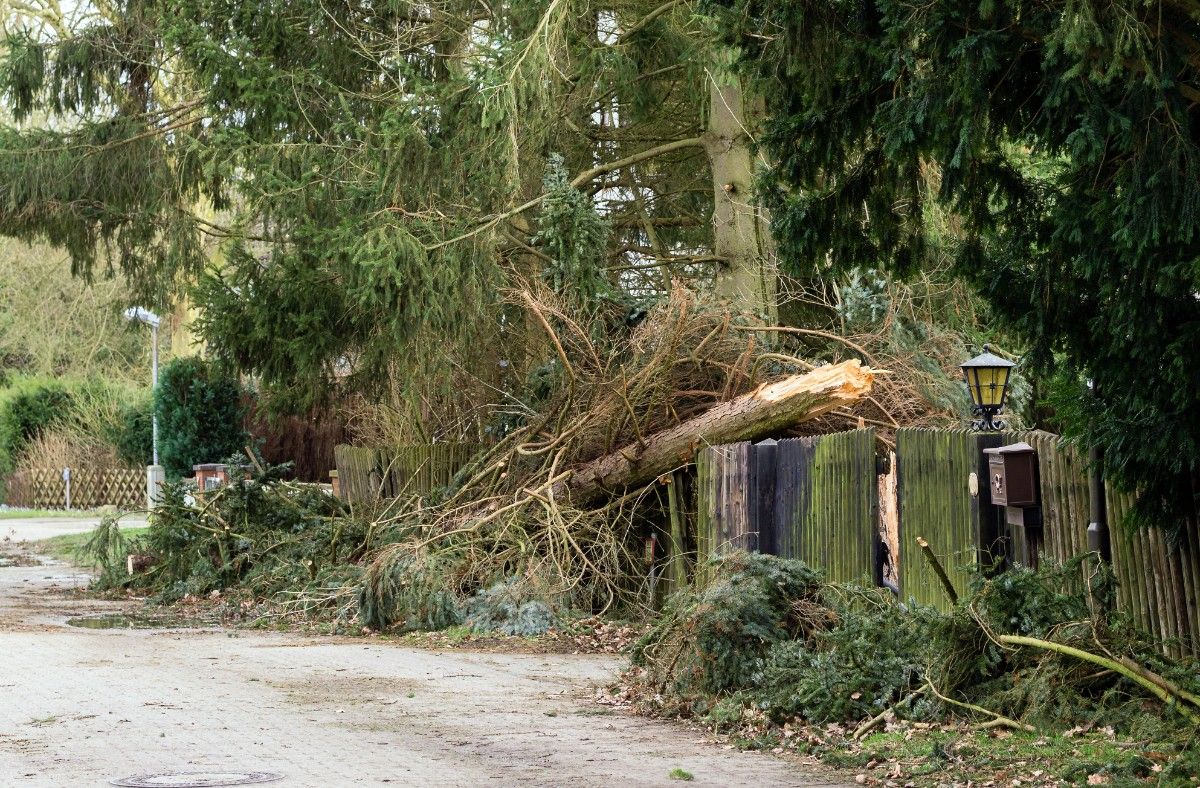
Falling trees and large branches during windstorms cause the most sudden and visible damage, often taking out full fence sections or landing directly on deck framing.
Hail is less frequent here, but it can crack cedar boards and damage vinyl or aluminum panels in ways that photograph well for a claim.
This is one of the most misunderstood situations in residential fence claims. If your neighbor's tree falls on your fence during a storm, many homeowners assume the neighbor is automatically responsible. That's not how it typically works.
In most cases, your own homeowners insurance responds first regardless of where the tree came from. The question of whether your insurer can pursue your neighbor's insurance provider depends on whether the tree was in a clearly deteriorated condition beforehand.
Under most standard policies, a healthy tree that fell in a storm is generally treated as an act of nature. A dead or visibly rotting tree that your neighbor failed to address is a different conversation in many cases, and one worth having with your insurance company before you assume you're absorbing the full deductible
The short answer is yes, under the right circumstances. The longer answer is that coverage depends on your policy and what caused the damage. Knowing what qualifies as a covered event and what gets excluded is what determines whether your claim gets approved and for how much.
Fences typically fall under other structures coverage. Decks usually do too, but if a deck is physically attached to the home, it is often covered under dwelling coverage instead, which generally carries a higher coverage limit. That distinction can matter when filing a claim.
For example, if your home insurance policy has a dwelling coverage limit of $500,000, your other structures coverage is likely capped around $50,000. This becomes important when a claim involves large structures such as extensive fencing, detached garages, or detached decks, since those repairs may fall under the lower other structures coverage limit.
Covered events under a standard homeowners policy generally include windstorms, hail, fire, falling trees, and vandalism. Damage from rot, neglect, flooding, or pest infestations like termites falls outside standard coverage.
Before any payout is approved, your insurance company evaluates several key factors:
Replacement cost coverage means the insurance provider pays the full cost to replace the fence or deck with comparable materials at current prices. Actual cash value means depreciation is subtracted from the payout, which can significantly reduce the amount for older or weathered fences and decks. Knowing which coverage applies before filing your claim helps you understand potential payout amounts.
The harder part isn't knowing what's excluded. It's understanding how adjusters draw the line between storm damage and pre-existing wear, because in Seattle those two things often show up in the same places.
Standard exclusions include:
A post base that's been holding moisture for two seasons can look a lot like one that failed in a single wind event. The difference matters to your adjuster and it matters to your payout. A licensed fence contractor who knows storm damage patterns can document what the damage actually indicates about its cause, which is more useful to your claim than a general walkthrough.
Deck claims follow the same general rules as fence claims, but the structural assessment tends to be more involved.
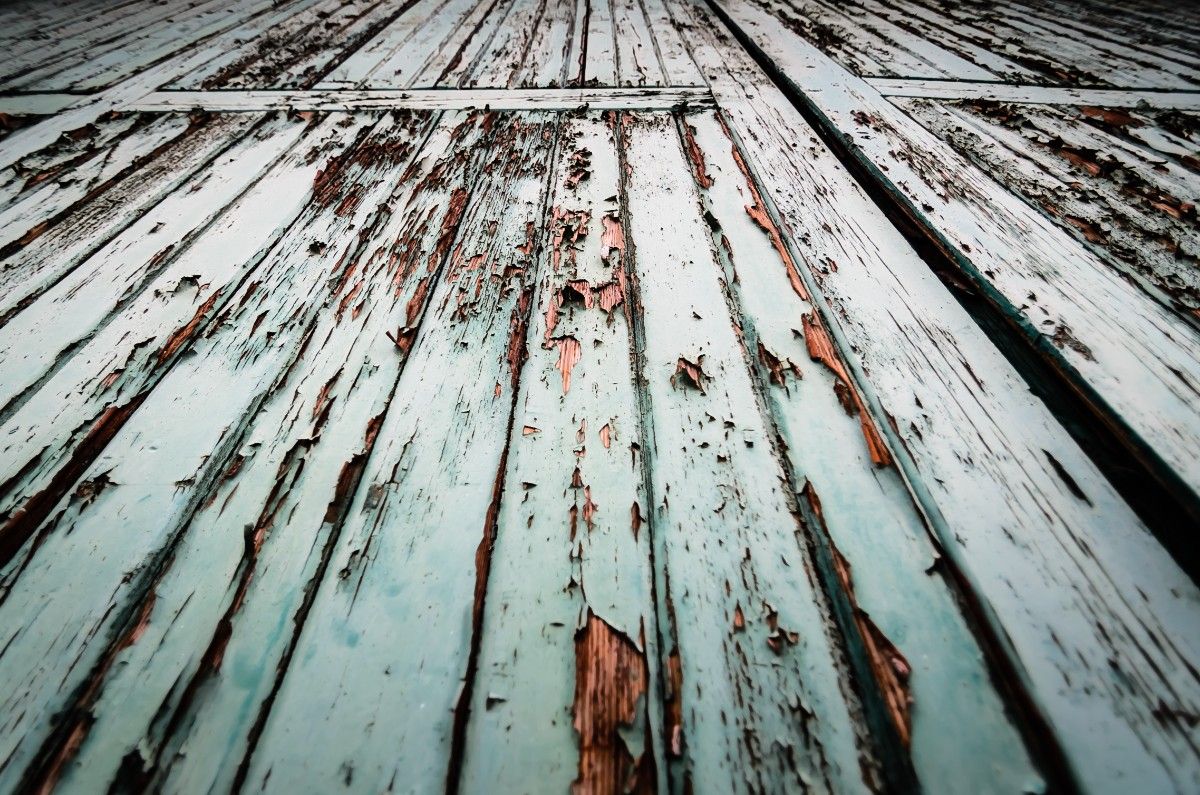
Decks are classified under other structures coverage, so the same limits and covered perils apply. Where it gets more complicated is the inspection. Adjusters aren't just looking at surface boards. They're checking framing, post footings, and hardware condition.
If your deck had soft boards or failing fasteners before the storm, expect that to factor into the payout. Having a recent maintenance record or professional inspection on file can work in your favor when that conversation comes up.
Most Seattle homeowners haven't filed an insurance claim for fence and deck damage before. What trips people up isn't the paperwork, it's not knowing what the process actually looks like on the ground before the adjuster shows up.
The first call after a storm shouldn't be to your insurer. It should be to a licensed fence contractor who can tell you what you're actually dealing with. Before anything is moved, removed, or temporarily repaired, you need a clear picture of what the storm caused versus what was already there.
This matters because adjusters are trained to spot pre-existing wear. If a post was already leaning before the storm, that's not a covered loss. If the storm pushed it past the point of no return, that's a different conversation. Knowing the difference before your adjuster arrives puts you in a much stronger position.
Photograph everything before any debris is cleared. Full sections, close-ups of broken posts, displaced panels, and whatever caused the damage if it's still on site. If a tree or branch is involved, photograph it in place before it's removed.
Pull the local weather service record for the date of the storm. This establishes the weather event independently of anything you report to your insurer and is a straightforward piece of documentation that strengthens the claim.
A written repair estimate from a licensed fence contractor gives you a benchmark before your insurer sends anyone out. If the adjuster's number comes in lower than your estimate, you have documentation to reference. Without it, you're negotiating against a number you had no part in establishing.
A detailed estimate that breaks down materials and labor clearly is the kind of documentation that holds up when an insurer reviews the claim. It also helps you understand exactly what the deck or fence repair involves before any decisions are made.
Once you have your assessment and estimate in hand, contact your insurance company to report the damage. At that point you'll know what you're dealing with, what it costs to fix, and whether filing a claim makes financial sense given your deductible.
If the repair cost is close to your deductible, filing may not be worth it. If the damage is significant, going in with a professional estimate already in hand makes the conversation with your insurer much more straightforward.
Fence ownership affects insurance coverage and claim responsibility. Washington state law addresses shared maintenance responsibilities for boundary fences between adjoining landowners, though how that applies depends on property lines, fence placement, and how the fence is used. Reviewing your property survey and discussing ownership with your neighbor before filing a claim is still the right first step.
If the fence is fully on your property, your homeowners insurance handles the claim. If it straddles a shared property line, both homeowners and insurance providers may need to coordinate claims, which can extend the timeline.
Before filing an insurance claim for fence damage on a shared fence, review your property survey and discuss ownership with your neighbor to avoid disputes.
Storm damage to a fence or deck moves fast, and so does the window to document it, report it, and get the right people involved before permanent repairs begin. Homeowners who go into that process knowing how their policy works, what counts as a covered event, and how depreciation affects the final number tend to come out of it with a much fairer result.
If you're looking at damage right now and want a straight answer on what repairs will cost before you file an insurance claim for fence damage, Contour Fence serves Seattle homeowners with honest assessments and clear repair estimates. Contact us for a free estimate and we'll walk you through exactly what the repair involves.
Yes, you can usually file an insurance claim for fence damage through your own homeowners insurance even if the tree came from your neighbor's yard. Your insurer may seek reimbursement from your neighbor's insurance provider if the tree was dead or deteriorated and the neighbor neglected it. Be sure to document the tree's condition before removal.
Generally, yes. Deck damage homeowners insurance coverage applies if the damage resulted from a covered peril such as wind or severe storms and the deck was in good condition before the event. Decks fall under other structures coverage with limits separate from your main dwelling.
Most standard homeowners policies cover wind damage to fences as a covered peril under other structures coverage, subject to your deductible and policy limits. The main factors that can reduce or affect the payout are the age of the fence, its condition before the storm, and whether pre-existing deterioration contributed to the failure.
The process includes documenting damage thoroughly, reporting promptly to your insurance company, obtaining professional repair estimates, and deciding if filing a claim is financially sensible based on repair costs versus deductible. Temporary repairs to prevent further damage are reimbursable.
Coverage depends on fence ownership. If the fence is on your property, your homeowners insurance covers it. For fences on shared boundaries, both homeowners and their insurance providers may need to collaborate. Clarify ownership via property surveys before filing a claim.
Before any repairs are made, photograph all damaged sections from multiple angles. Gather local weather records that confirm the storm event and note the date it occurred. Keep receipts for any emergency protective work you do in the immediate aftermath. A written repair estimate from a licensed contractor rounds out what most insurers expect to see when you file.
Pre-existing damage affects the payout. Insurance providers assess how much damage resulted from the storm versus prior deterioration. Depreciation and condition assessments reduce coverage for sections already compromised before the storm.
.jpg)




.svg)
No commitment · On-site or virtual


.svg)
