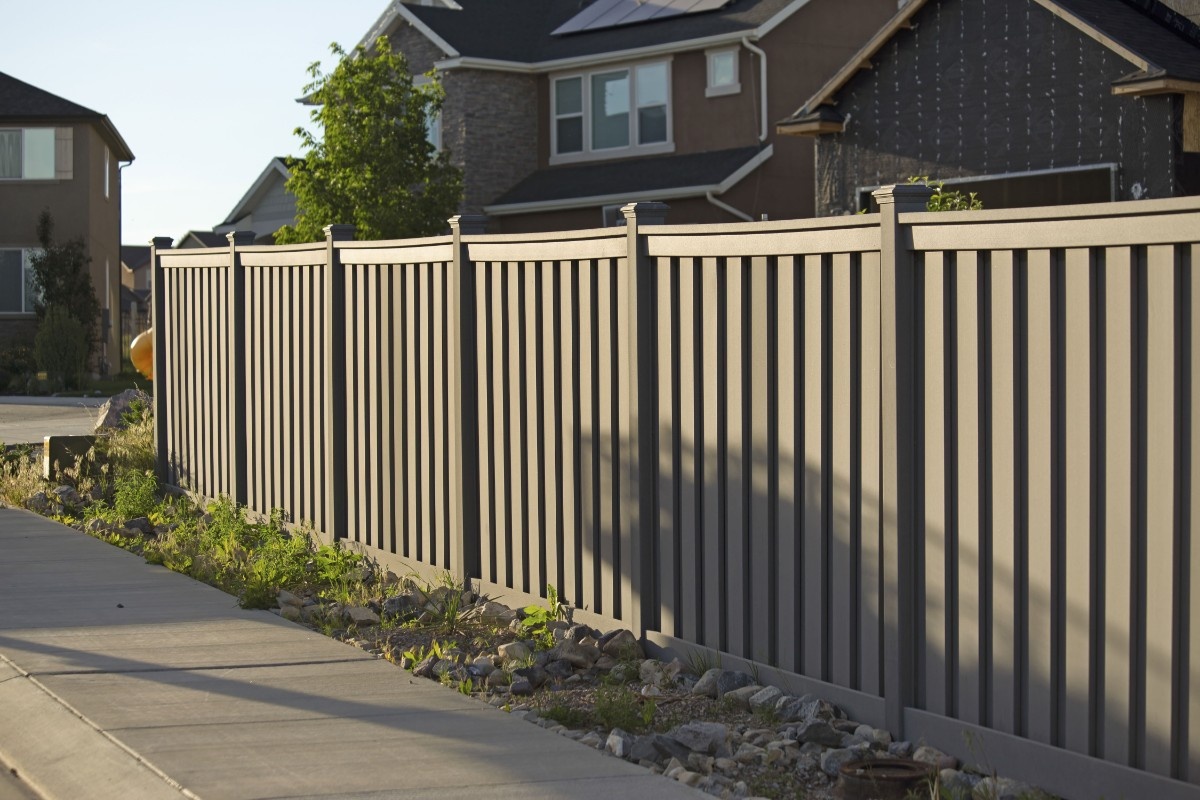
If you have been putting off a fence project because your yard is not flat, you are not alone. A fence on sloped yard property is one of the most common projects across the Puget Sound area.
In fact, sloped-ground fencing is far more routine across Washington than most people expect.
Slope is not the obstacle it seems. Contractors have two reliable methods for handling grade changes:
Each one produces a clean, structured result when fencing on a sloped yard is planned correctly. This guide walks through both approaches, when each one applies, and what to expect from a sloped fence project on your own property.
The two accepted professional methods are step racking and the contour, or racked, method. Both keep every post plumb, meaning perfectly vertical, even as the ground rises or falls underneath them.
Homeowners researching how to build a fence on a sloped yard usually land on these same two options no matter which material they prefer.
Step racking uses level panels that step down the hill in stages. The contour method lets the rails follow the slope in one continuous line.
Neither approach is universally better. The right choice depends on the slope's steepness, the fence material, and how the finished look should read against the property.
Stepped fencing features level panels that create a gap underneath each section as the slope increases. Every rail stays level and every post stays plumb.
The fence line drops in defined stages instead of a continuous slant. Homeowners planning a fence on sloped properties often choose this method specifically because it works with almost any material on the market.
This method works well on steeper grades and with almost any fence material, including cedar, vinyl, chain link, and aluminum.
A privacy fence on sloped terrain benefits from stepping because the panels stay full height and level. The privacy screen does not thin out toward the downhill side the way a badly racked fence on sloped yard terrain sometimes can.
Stepped fencing is preferred for moderate to steep slopes where racking becomes difficult to execute cleanly.
💡 Pro Tip: If pets or small children use the yard, ask your installer about gap fillers before installation day. It is much easier to plan for those gaps up front than to add a fix after the fence is already in the ground.
Contouring, also called racking, lets the rails follow the slope of the land continuously so the fence flows with the grade instead of stepping through it. Racked fences follow the ground's contour without gaps, which gives them a smoother, more continuous appearance than a stepped layout.
Our name reflects exactly this idea. Contour Fence follows the contour of your land rather than fighting it, and that philosophy shows up most clearly on a sloped yard project.
Racked installations tend to look more natural in wooded and landscaped Pacific Northwest settings, since the fence line mirrors the terrain instead of interrupting it.
Racking works best with cedar and chain link, both of which use flexible rail systems that can bend slightly to match the grade.
A privacy fence on sloped yard land installed this way keeps a smooth, unbroken line rather than the stair step look of a stepped layout.
Most fencing professionals put the practical limit for a fully racked chain link fence around 15 degrees, while a cedar fence can sometimes rack up to roughly 30 degrees, depending on the hardware. Beyond that, a stepped layout holds up better.
This is why fencing on a sloped yard almost always starts with a conversation about degree of slope before material.
.webp)
When comparing stepped fence vs racked options, the decision usually comes down to slope severity and material rather than personal taste alone.
Vinyl fencing typically step racks because the panel systems are pre-fabricated. Wood privacy fences on a slope can usually go either direction depending on the homeowner's priorities.
A stepped fence vs racked comparison on paper only tells part of the story, since the actual terrain still has the final say.
Good planning, including accurate layout measurements, aids in deciding the installation method for your specific fence line.
Any fence on grade Washington state homeowners install should start with a full walk of the slope, not just the steepest section. A single yard can have gradual slopes in one area and steeper grades closer to a hillside.
Material compatibility matters just as much as the slope itself. Not all materials handle grade changes the same way, so the fence style you already have in mind can rule certain methods in or out before the design conversation even starts.
Here is generally how a sloped fence project comes together from start to finish.
Our own fence installation team follows this same sequence on nearly every sloped property across King and Snohomish counties, since skipping a step is where most sloped fence projects run into trouble later.
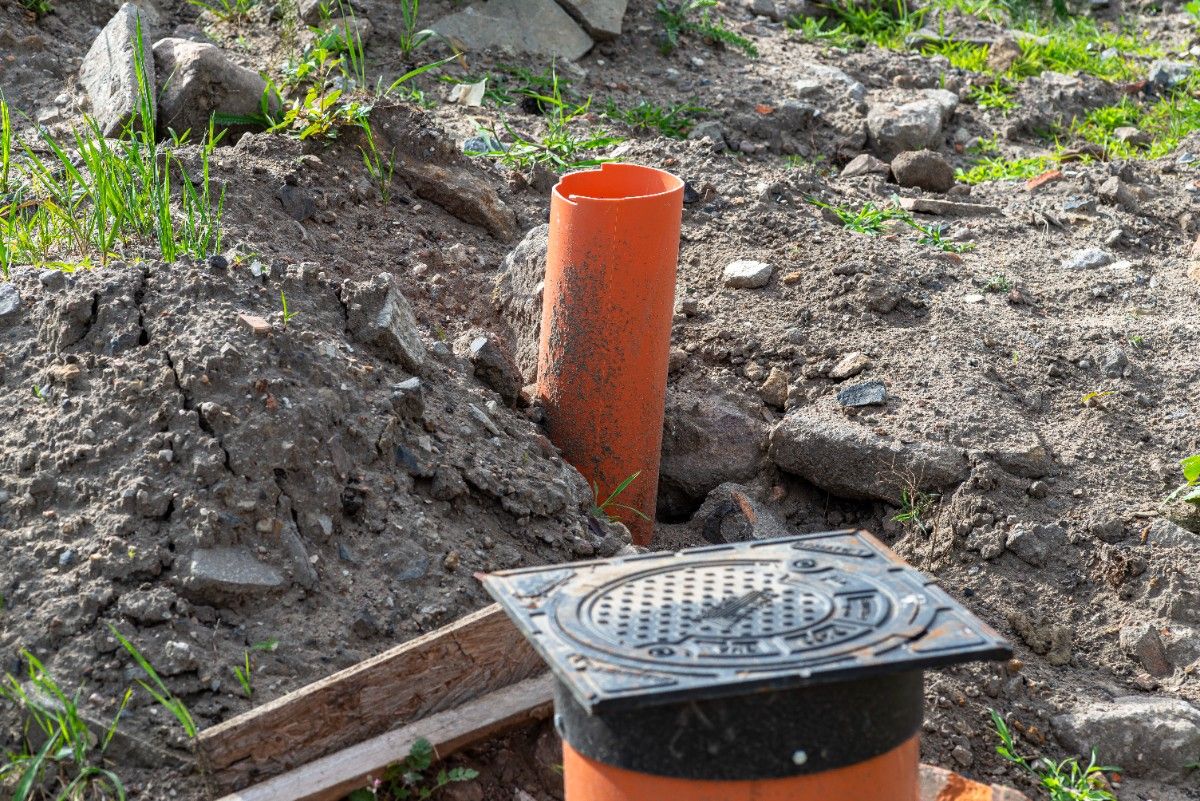
For effective drainage, avoid placing fence posts where water naturally accumulates due to the slope.
In Seattle's clay heavy soil, standing water at the base of a sloped fence line can accelerate post rot at grade far faster than it would on flat ground.
A good contractor designs drainage into the fence footprint itself, not as an afterthought once the fence is already installed.
If you already have a fence showing early signs of rot near the ground, our cedar fence post replacement guide covers how sloped yards accelerate post failure at grade and what to do about it.
One Contour Fence customer described being worried that a messy, uneven grade would complicate her project.
She was pleasantly surprised that the crew was able to match the fence cleanly to her yard's slope. That kind of result comes from planning for the terrain up front, not adjusting for it after the fact.
Permit requirements vary by city and county, so always check with your local municipality before starting.
A sloped fence project should also account for the fact that steep grade changes in parts of King County can trigger additional site review if the fence work affects drainage or erosion control on the property.
This does not mean every sloped fence project needs a permit. It means the paperwork depends on your specific slope, jurisdiction, and whether the project disturbs the existing grade, so a quick call to your local building department is worth the few minutes it takes.
A fence on sloped yard terrain is a routine project once the right method is matched to your land and material.
Whether your contractor recommends step racking or the contour method, careful planning around drainage, post depth, and consistent spacing is what keeps the finished fence stable for years.
If you are ready to talk through options for your own property, reach out to Contour Fence and we can walk your yard together.
A stepped fence uses level panels that step down the hill, leaving small gaps underneath. A racked fence follows the slope in one continuous line with no gaps at the ground.
Racking works best with cedar and chain link since their rail systems flex to match the grade. Some vinyl and horizontal fence styles are built to step rather than rack.
Chain link handles hillside terrain well since its rail system flexes naturally to follow the slope. Steeper sections sometimes use a stepped layout instead to keep the fence stable.
Installing a fence on a slope is generally more expensive than flat ground work due to added labor and deeper footings. The exact cost depends on the slope's severity and the method chosen.
Gates on steep slopes can drag against the ground if they are not planned for correctly. A good installer accounts for gate swing and ground clearance during design.
.jpg)



.svg)
No commitment · On-site or virtual


.svg)

.jpg)
.jpg)