
Most fence planning guides jump straight to styles and materials. But when it comes to privacy fence ideas for Pacific Northwest homes, climate isn't a footnote. It's the starting point.
The Greater Seattle area gets 150+ days of rain annually. That sustained moisture changes how materials perform, how long fences last, and what installation details actually matter. A fence built without accounting for PNW conditions will show it within a few years; warped boards, leaning posts, moss-covered panels, and rust-stained hardware.
A few realities worth knowing before you choose anything:
Get these details right upfront and your fence performs for 15 to 20+ years. Skip them and you're dealing with repairs much sooner.
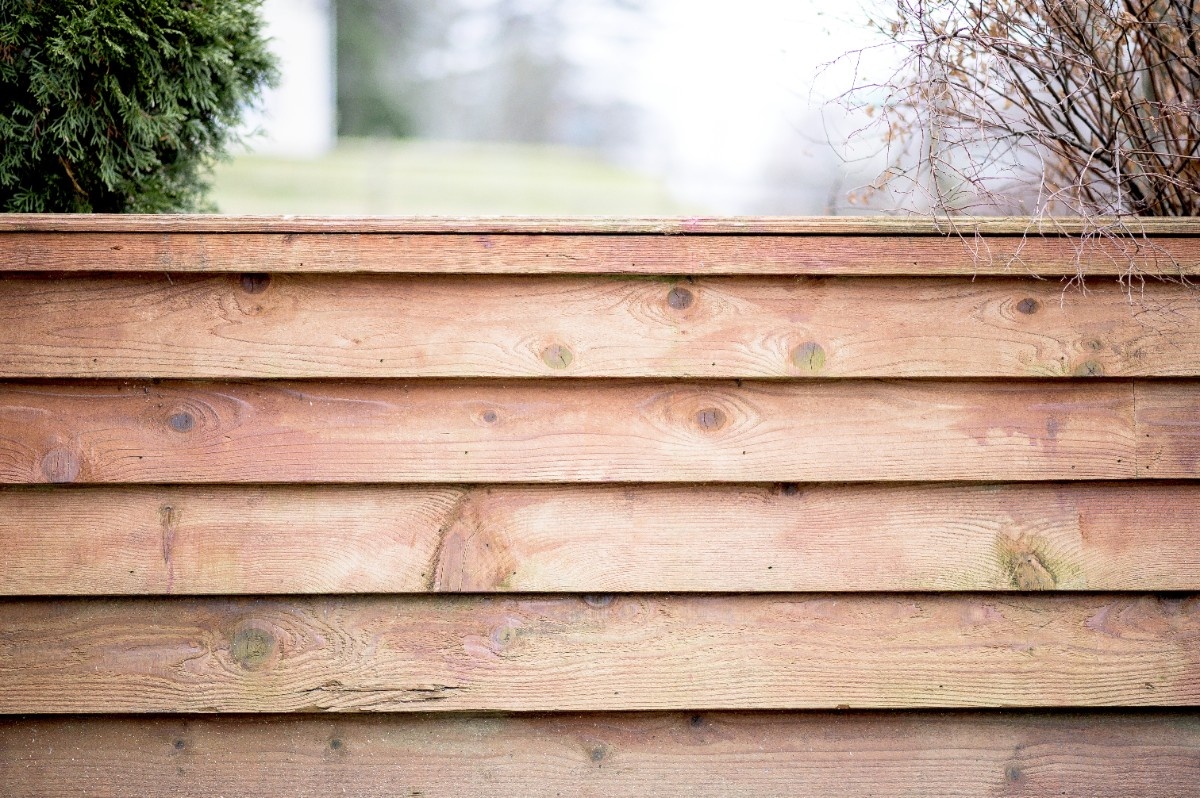
When homeowners think privacy fence ideas for PNW homes, cedar is usually the first material that comes to mind, and for good reason.
Cedar contains natural oils that resist rot and insects without chemical treatment. That's a genuine advantage in a climate where wood is under constant moisture pressure. It's also one of the most forgiving materials when it comes to the PNW's temperature swings. It moves with the seasons without cracking the way denser hardwoods can.
The tradeoff is maintenance. Cedar needs sealing every 2 to 3 years to hold up well in sustained wet conditions. Skip that step and you'll see greying and surface degradation faster than the material deserves.
For a deeper look at how cedar compares to other materials on cost and durability, the ideas for a privacy fence guide on the Contour Fence blog covers that in detail.
Not every homeowner wants to reseal a fence every couple of years. For those who don't, vinyl and composite have become increasingly popular across the Eastside, and both hold up well in PNW conditions.
Vinyl is fully moisture-proof. It won't rot, warp, or absorb water regardless of how many consecutive weeks of rain hit it. Cleaning is straightforward, and a hose handles most of what a PNW winter leaves behind, including moss and surface mildew.
It works well in HOA communities where material and color uniformity is required, and it's available in smooth or wood-grain finishes depending on the aesthetic you're after. Color stability is strong because vinyl doesn't fade the way painted wood does.
Composite fencing gives you the warm, wood-like appearance of cedar without the maintenance demands. It resists mold and decay, which matters especially for shaded, north-facing sections of yard that get minimal sun during winter months.
The upfront cost is higher than cedar or vinyl, but for homeowners planning to stay long-term, the reduced maintenance over a 25+ year lifespan makes it a strong value. Contour Fence installs Trex composite and can help you assess whether it's the right fit for your yard and budget.
.jpg)
PNW yards rarely come flat and simple. Slopes, trees, narrow lots, and irregular property lines all affect what works, and what doesn't.
This is where material choice matters less than installation method. Sloped lots need either stepped or racked fencing:
Getting this wrong creates drainage problems at the base of posts, which accelerates rot from the ground up. A site walkthrough before fence installation is the best way to determine which approach your yard needs.
Tighter yards benefit from cleaner fence designs, since horizontal boards can visually widen a narrow space while a 6-foot solid panel fence maximizes privacy without decorative elements eating into square footage. Gate placement is also worth thinking through carefully in smaller yards because access for lawn equipment and deliveries is less flexible.
Root systems affect post placement more than most homeowners expect. A pre-installation site assessment helps identify where posts can and can't go safely. On the positive side, existing mature landscaping often complements a fence line naturally, and arborvitae planted alongside a cedar or composite fence is one of the most popular combinations in PNW backyards for layered privacy that softens the fence visually.
Privacy fence ideas for Pacific Northwest homes have shifted noticeably in recent years. The dominant trend is toward cleaner, more intentional designs that work with the surrounding landscape rather than against it.
What's popular right now across King and Snohomish County:
This isn't about DIY prep. It's about making sure you show up to your estimate conversation with the right information, which makes the whole process faster and the result better.
Confirm your property line. Older King and Snohomish County neighborhoods often have fences that have shifted over decades. If there's any question about where the line actually falls, a survey is worth the investment before installation begins.
Check your HOA requirements. Height limits, approved materials, and finish colors vary widely between communities. Getting this wrong after installation is an expensive problem.
Think through gate placement now. Where do you need pedestrian access? Equipment access? A gate added after initial installation costs more and rarely matches as cleanly. Contour Fence includes gate installation as part of every fence project, building them together is always the better outcome.
Have the neighbor conversation for shared fence lines. Knowing upfront whether a neighbor wants to contribute, has material preferences, or has concerns about placement avoids delays and disputes during installation.
Know that utility locates happen before any digging. Contour Fence handles this as a standard part of the installation process. No post holes go in until underground utilities are marked and cleared.
The best privacy fence ideas for Pacific Northwest homes share one thing: they're built around the specific yard, not a general preference. Climate, slope, lot size, HOA rules, and long-term maintenance tolerance all shape the right answer, and that answer looks different for a shaded north-facing yard in Bothell than it does for a sun-exposed corner lot in Kirkland.
Contour Fence has completed thousands of projects across King and Snohomish County. Whether you're looking at a horizontal cedar build, a low-maintenance composite install, or something in between, we'll walk the site with you before anything gets quoted or ordered. Reach out for a free estimate and let's figure out what actually works for your yard.
Cedar is the most widely used for its natural rot resistance, PNW aesthetic, and flexibility across styles and budgets. Vinyl and composite are strong alternatives for homeowners who want minimal long-term maintenance. The right choice depends on your yard's exposure, slope, and how much upkeep you're planning to do.
A properly installed cedar fence with concrete-set posts, good drainage, and regular sealing typically lasts 15 to 20 years or more. In the PNW's wet climate, skipping the sealing schedule shortens that timeline meaningfully.
In most residential cases, no permit is required. However, fence height, setback distance, and city-specific regulations can trigger permitting requirements. Contour Fence confirms local requirements during the consultation process before any work is scoped or scheduled.
Six feet is the standard for full backyard privacy and meets most local code requirements across the Greater Seattle area. Heights of 7 to 8 feet are possible in some jurisdictions but typically require permits and may be subject to HOA restrictions.
Yes, horizontal cedar is one of the most requested styles across King and Snohomish County right now. It suits modern and craftsman-style homes well and, when properly framed and sealed, performs just as durably as traditional vertical board styles.
Sloped yards require either stepped or racked fencing depending on the grade. Getting this wrong leads to drainage problems at post bases, which accelerates rot in the PNW's wet conditions. A site walkthrough before installation is the most reliable way to determine the right approach.
Yes. Utility locates are a standard part of Contour Fence's installation process and are completed before any post holes are dug. This step protects underground utilities, your landscaping, and the installation crew.
Most residential fence installations are completed within 1 to 3 days once materials are on site. Timeline varies based on linear footage, number of gates, terrain complexity, and slope. Start and finish dates are confirmed during the estimate process, with no surprises on scheduling.
.jpg)



.svg)
No commitment · On-site or virtual


.svg)


