DIY Fence Installation vs Professional Fence Installation: Which Is Right for You?
Thinking about installing a fence yourself or hiring a professional? Learn how cost, time, effort, and results compare so you can pick the right option for your fence with confidence.
DIY fence installation can save money if you have the time, tools, and skills. Professional installation costs more but offers faster results, better durability, and warranties, making it a safer choice for complex projects.
Starting Your Project: DIY Fence Installation vs Professional
Homeowners often consider new fencing for privacy, safety, curb appeal, or security. Whether you want to keep pets safe, improve your backyard’s look, or meet pool safety codes, the big question is: how do I build a wooden fence, or should I hire professionals?
This guide compares both approaches to help you make an informed decision before you start putting up fence posts and constructing a fence.
How DIY Fence Installation Works
DIY fence installation involves more than just hammering pickets onto posts. Knowing how to set up a fence properly requires planning, tools, and careful execution.
You’ll need to plan the layout, gather materials, assemble tools, mark your fence line, dig post holes, set posts in concrete, attach rails and panels, and finish with gates and hardware.
Seattle’s clay soil and rainy weather make even a seemingly easy fence install more challenging than in drier, flatter areas.
Step-by-Step DIY Fence Installation
Confirm property lines and permits Before you dig, verify your property line by checking records. Mistakes here can lead to costly disputes with neighbors. Call 811 to have utilities marked to avoid damaging underground pipes or cables. Check local fence height and setback regulations, usually a 6-foot maximum height for backyard fences.
Layout and marking Use stakes and mason’s line (string line) to establish a straight fence line. Mark the post hole locations every 6 to 8 feet, depending on your fence panels or picket lengths. Use spray paint to clearly mark each post hole location on the ground.
Digging post holes Dig post holes 30 to 36 inches deep using a manual post hole digger or rent a power auger (man auger or two man auger for larger projects). The depth should be about one-third to one-half the post height to ensure stability. Add 4 inches of gravel at the bottom of each hole for drainage, which helps prevent wood rot.
Setting posts Place the posts in the holes and pour concrete around them. Use a level to ensure posts are plumb on all sides. Brace the posts with scrap lumber or stakes to keep them straight while the concrete cures, typically at least 24 hours. Properly set posts are critical to a durable fence.
Attaching rails and panels For a 6-foot privacy fence, attach three horizontal rails: one near the bottom (about 12 inches from the ground), one in the middle, and one near the top. Use 2x4 wood rails attached with galvanized screws or nails. Then attach pickets or fence panels to the rails, maintaining consistent spacing for an even look.
Installing gates and hardware If your fence includes a gate, install gate posts with extra concrete for support. Attach gate hinges and latch hardware securely. Gates require careful alignment to prevent sagging or sticking.
Finishing touches Once assembled, consider staining or sealing your wooden fence to protect it from inclement weather and UV damage. Adding post caps helps prevent water infiltration and prolongs post life.
Common DIY Fence Types
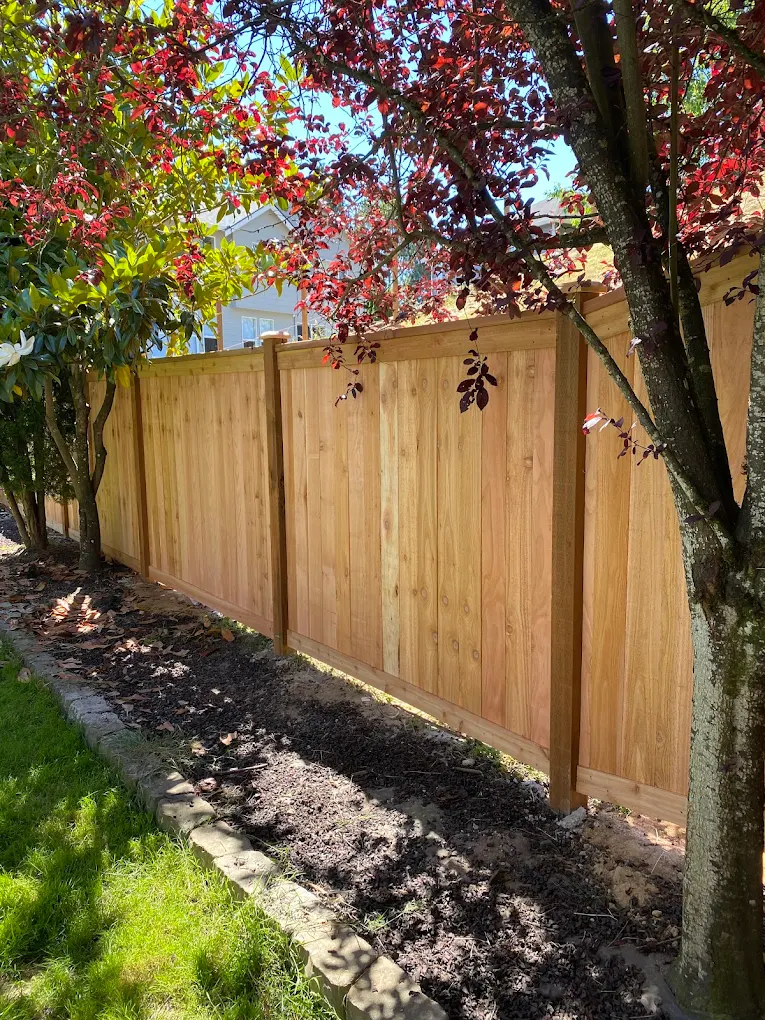
Wood privacy fences: Popular for backyard privacy; require carpentry skills and tools like saws, drills, and levels. This is the classic example of DIY wood fence installation, combining privacy, curb appeal, and hands-on construction.
Chain link fences: Kits simplify installation with pre-cut posts and hardware; good for pet containment or security. DIY chain link fence installation is one of the easier options for beginners.
Vinyl/PVC fences: Lightweight panels snap together; easier to install but still require proper post footings. DIY vinyl fence installation and DIY PVC fence installation offer low maintenance and modern aesthetics.
Aluminum ornamental fences: Pre-assembled panels attach between posts; suitable for decorative purposes on level ground. DIY aluminum fence installation provides a durable and stylish alternative.
Pool and garden barriers: Must meet safety codes with specific gate latches and spacing; require precision. DIY pool fence installation is essential for safety and compliance.
Pros and Cons of DIY
Pros:
Significant cost savings by eliminating labor fees, reducing your overall DIY fence installation cost.
Flexibility to work at your own pace over weekends.
Satisfaction from building your own fence.
Full control over design, materials, and timing.
Cons:
Time consuming, can take several weekends or more.
Physically demanding, digging holes and handling heavy materials.
Tool rental or purchase costs (augers, drills, saws).
Risk of mistakes like misaligned posts or improper depth, which can cause fence failure.
No workmanship warranty; repairs are your responsibility.
Professional Fence Installation: What You Get
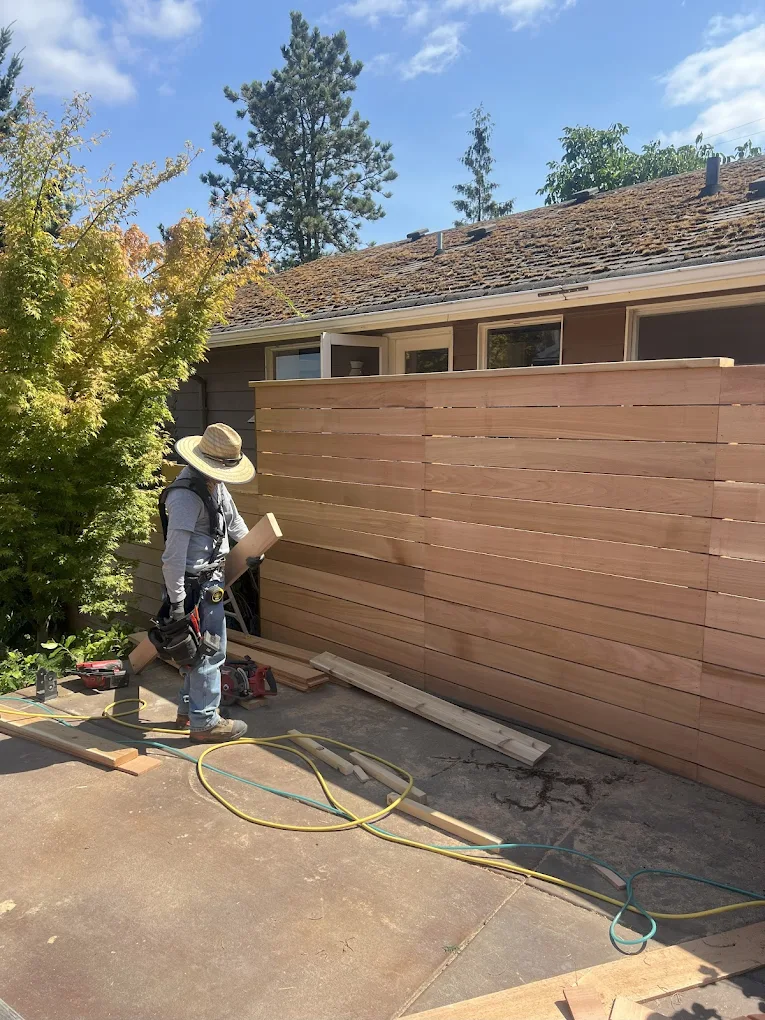
Hiring a professional means experienced crews handle everything from design consultation to final cleanup. They understand local codes, soil conditions, and weather challenges that can trip up DIY installers.
Professional Fence Installation Process Overview
Consultation and design: Property lines are verified, project goals are discussed, and fence styles and materials suitable for the neighborhood are recommended.
Permitting: Professionals manage permits and inspections with the relevant city or county authorities.
Utility locates and layout: Professional utility locates and string line setup ensure safe and precise fence placement.
Efficient digging: Truck-mounted augers are used to bore through dense soil quickly and accurately.
Concrete footings: Footings are poured to appropriate sizes based on frost depth and wind load requirements.
Installation: Fence rails, panels, and gates are installed with careful attention to ensure they are plumb and level.
Cleanup: Debris, old fence materials, and excess dirt are hauled away, leaving the yard clean.
Compliance with all local codes and safety standards.
Fast completion, days instead of weekends.
Durable materials suited for Pacific Northwest weather.
Warranty protects against defects and installation issues.
Cons:
Higher upfront cost including labor and overhead.
Scheduling required, less flexibility for spontaneous projects.
Less hands-on involvement for those who enjoy DIY.
DIY vs Professional: Comparing Key Factors
Cost
DIY fence installation saves on labor but requires purchasing or renting tools like a two man auger, saws, and drills. Material costs are similar, and mistakes can lead to unexpected expenses. Professional installation includes all materials, labor, permits, and warranty, typically costing 2-3 times more than DIY but with fewer risks.
Time & effort
DIY projects can take 2-6 weekends depending on size, skill, and weather. Professionals complete similar projects in 2-3 working days. Digging 20+ post holes 30-36 inches deep and mixing concrete is physically demanding for DIYers.
Skill & difficulty
DIY requires measuring, leveling, and basic carpentry skills. Small decorative fences are manageable for beginners, but tall privacy fences and gates demand precision. Professionals have experience with complex terrain and code requirements.
Durability & quality
The right post depth, solid concrete footings, and sturdy bracing keep a fence standing strong for years. Professionals make sure posts are straight and rails level, while DIY errors can cause leaning, sagging, or costly repairs.
Permits & regulations
Fence codes vary by city and neighborhood, especially for pool fences. Professionals take care of permits and inspections, while DIYers need to research and follow the regulations themselves to avoid fines or having to redo work.
DIY Tips for Success
Verify property lines and have utilities marked before digging to avoid costly mistakes and ensure safety.
Stage all materials on site to minimize trips and streamline the workflow.
Use mason’s line and stakes to create straight, level fence lines for a professional-looking result.
Carefully read all manufacturer instructions to understand specific installation requirements.
Plan your project around dry weather periods to allow concrete to cure properly and avoid delays.
Work with a helper to hold posts and panels steady during installation, making the process easier and safer.
Break the project into manageable phases to prevent fatigue and maintain quality workmanship.
Watch instructional videos specific to your area or fence type to gain practical tips and avoid common pitfalls.
If you’re looking for the easiest fence to install yourself, start with short vinyl panels or chain link systems before tackling taller privacy fences.
Putting the Finishing Touches on Your Fence Project
DIY fence installation can be rewarding for small, simple projects if you have time, basic tools, and moderate skills. Professional installation offers faster completion, expert craftsmanship, code compliance, and warranty protection for larger or complex fences.
Making the right fencing decision, DIY or professional, can be easier with the right guidance. At Contour Fence, we help Seattle-area homeowners evaluate their options. Contact us to review your project and get expert recommendations for your property and goals.
FAQs
Is DIY fence installation hard for beginners?
Small garden or chain link fences are manageable for beginners and provide a good introduction to fence building. However, 6-foot privacy fences require more skill, patience, and careful attention to detail to ensure stability and a professional appearance. So, how hard is it to install a fence? It depends on the type and your experience.
How much does DIY cost compared to professional?
DIY fence installation saves money primarily by eliminating labor costs, but you will need to invest in tools, materials, and possibly permits. Professional installation includes these costs plus expertise, faster completion, and often a warranty, which can justify the higher price for complex projects.
Which fences are easiest to install DIY?
Lightweight, modular systems like vinyl kits and short picket fences are best suited for beginners due to their simple assembly and minimal digging. These options typically require fewer specialized tools and less carpentry skill, making them ideal for first-time fence builders. The easiest fence to build is often a chain link or vinyl fence.
How long does DIY installation take?
Small fences may be completed in 1-2 weekends, depending on your availability and weather conditions. Larger projects, especially those involving multiple gates or complex layouts, can take several weekends to finish.
What tools are needed for DIY?
Essential tools include a tape measure, stakes, a post hole digger or power auger, level, saw, and drill, along with safety gear like gloves and eye protection. For quicker assembly, an air nailer can be helpful but is optional for most fence types.
When should I hire a professional?
Consider hiring a professional for tall, long, sloped, or code-regulated fences that require permits and precise installation. Also, if you lack the time, tools, or confidence in your skills, professionals can ensure a durable, compliant fence with less hassle.


.jpg)
.jpg)



.svg)


.svg)
