
The vinyl or wood fence debate is common among homeowners planning a new fence. Both wood and vinyl fencing dominate the residential fencing market because each offers unique advantages.
Wood fencing, especially cedar, has been popular for generations due to its natural resistance to rot and insect damage, attractive grain, and classic look. Pressure treated lumber is a budget-friendly wood option but requires more chemical treatments and regular maintenance.
Vinyl fencing is made from polyvinyl chloride (PVC), a synthetic material engineered for outdoor durability. The manufacturing process includes UV inhibitors and impact modifiers to reduce maintenance hassles and extend lifespan.
When homeowners ask "is vinyl fence better than wood?", the answer often comes down to tradeoffs. Wood offers a natural material look, easier on-site customization, and lower initial cost. Vinyl delivers longer lifespan, lower ongoing maintenance costs, and better weather resistance, important in rainy Seattle climate.
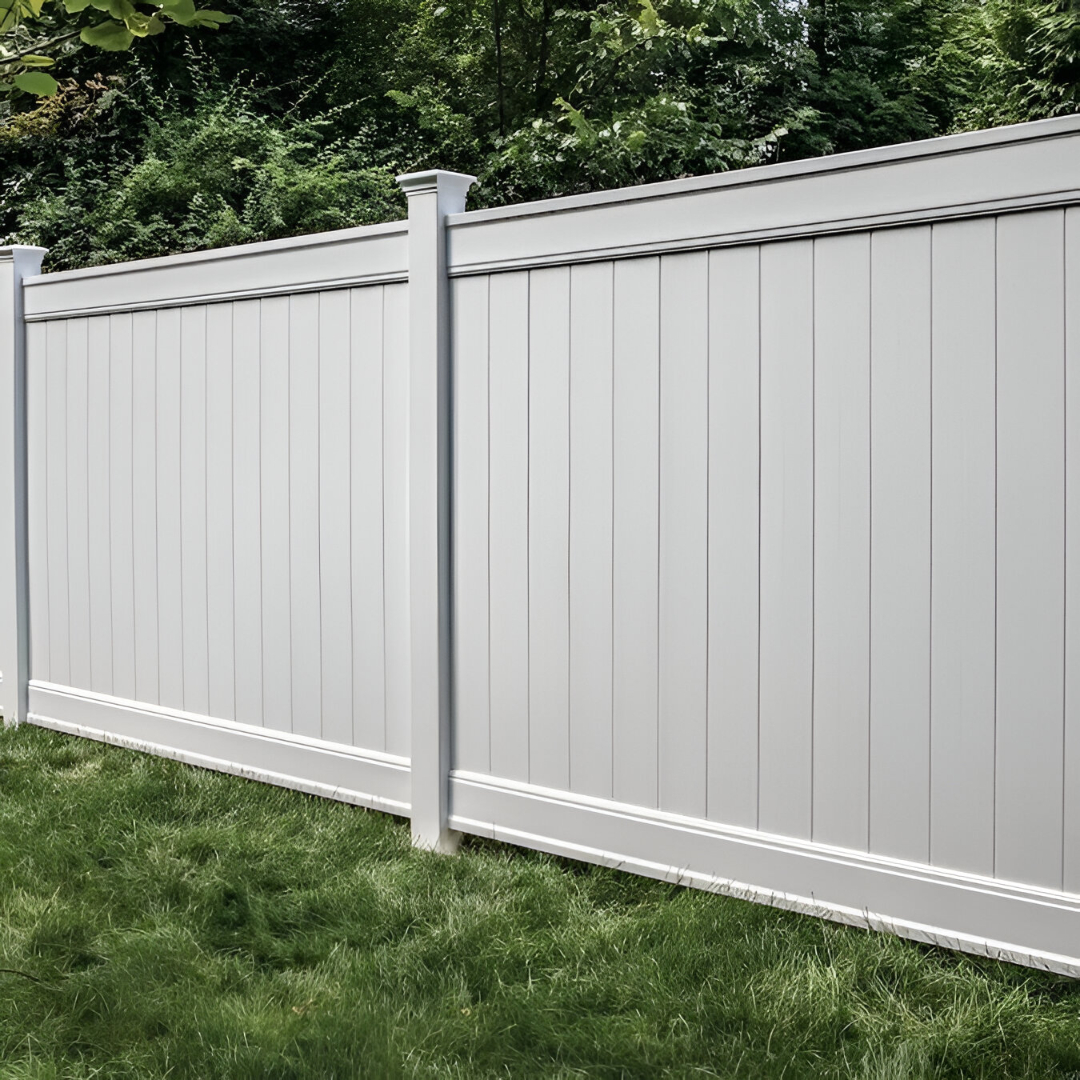
Choosing the right fencing material is a crucial decision for homeowners looking to balance cost, durability, and aesthetics. We help homeowners like you understand the financial implications of vinyl versus wood fences so you can make an informed investment that suits your budget and long-term needs.
For homeowners comparing fence types and cost, asking “is wood fence cheaper than vinyl?” helps highlight the typical upfront differences between these two options.
Installed prices per linear foot in Seattle (2025):
Installed prices per linear foot in Seattle typically range:
*Prices vary by style, fence height, property layout, and contractor. These ranges are estimates for planning purposes; your project may differ.
Over 20 years, wood maintenance (staining, sealing, minor repairs) can add significant cost, while vinyl’s minimal upkeep often offsets its higher upfront price. Actual long-term costs depend on weather, material quality, and maintenance frequency.
Want an exact estimate for your yard? Contact us for a free, site-specific quote so you can compare wood vs vinyl costs for your property.
.jpg)
When deciding between a wood fence and a vinyl fence, understanding their durability and maintenance requirements is essential. Each material has unique characteristics that affect its lifespan, upkeep, and overall performance in various climates. This section explores the pros and cons of vinyl fencing and how they compare to wood to help you make an informed choice for your home.
Wood fence longevity depends on species and proper maintenance. Pressure treated pine lasts 10-15 years in wet conditions, while cedar can reach 15-20 years with proper care. Frequent rain accelerates wood’s vulnerabilities, causing warping, cracking, and gaps as wood shrinks.
Vinyl fences last 25-30 years or more. If you’re wondering, are vinyl fences durable? They don’t absorb moisture, so they resist rot, warping, and termites common in damp climates. UV-resistant formulations prevent fading and degradation.
Vinyl can become brittle in extreme cold, and matching colors for fence repairs can be tricky. We use high-quality vinyl designed for temperature swings and wet conditions to minimize vinyl fence problems.
Vinyl requires minimal maintenance: occasional cleaning with a garden hose or pressure washer. No painting, staining, or sealing needed. Wood needs annual or biannual cleaning, plus staining or sealing every 2-4 years. Repairs for warped or rotten boards add to upkeep.
Wood maintenance can cost $2-5 per linear foot annually, adding up to $4,000-$10,000 over 20 years on a 100-foot fence. Vinyl maintenance is minimal, mostly DIY cleaning and occasional hardware checks.
Wood’s natural beauty offers warm tones and visible grain that add character and charm. It allows for on-site modifications and design flexibility, making it ideal for those who enjoy DIY projects or want a customized look. Wood fences can be stained or painted in various colors to match your home's aesthetic and style.
Vinyl fence panels come pre-manufactured with limited customization but offer many colors and styles, including wood-look options that closely mimic cedar. These options provide the look of wood without the maintenance.
Both wood and vinyl provide privacy with solid panels. Wood may develop gaps over time due to shrinking, while vinyl maintains consistent coverage and color throughout its lifespan, ensuring reliable privacy and a clean appearance.
Wood fencing is easier to work with on uneven ground and is a favorite among homeowners who like DIY projects. Its flexibility lets you make adjustments right on site, which is especially useful for yards with slopes or unusual shapes. This means wood fences can be tailored during installation to fit your property’s unique layout without losing strength or stability.
Vinyl fencing needs careful professional installation because its rigid panels require precise fitting. While vinyl panels snap together easily on flat ground, they don’t adapt well to uneven or sloped yards. If not installed correctly, the fence can end up misaligned or unstable, so it’s best to hire experienced installers to ensure your fence looks great and stands strong for years.
The right fence comes down to your budget, maintenance preferences, and whether a wood or vinyl fence better fits your home and lifestyle. Vinyl is ideal for homeowners who want long-term durability with minimal upkeep, while wood appeals to those who value natural character, lower upfront cost, and hands-on customization.
At Contour Fence, we help homeowners across Seattle and nearby areas make confident fencing decisions based on their property, goals, and priorities. Contact us to discuss your options and get expert guidance for your project.
While vinyl fence cost is higher upfront, its minimal maintenance upkeep often makes it more cost-effective over 20+ years compared to wood fencing, which requires regular staining, sealing, and repairs.
A well maintained wood fence lasts about 15-20 years, depending on species and maintenance. Vinyl fences last 25-30 years or more with minimal upkeep, making vinyl the longest lasting fence option.
Yes, wood fences require painting or staining every few years to maintain appearance and protect against weather damage. Vinyl fences do not require painting or staining.
Modern vinyl and wood fences include vinyl panels designed to mimic natural wood grain and color, offering the aesthetic of a wooden fence with less maintenance.
Vinyl fences require occasional cleaning with a garden hose or pressure washer to maintain appearance. No regular painting, staining, or sealing is needed, which reduces fence maintenance cost significantly.
Yes, wood fences can suffer from insect damage and rot, especially without proper maintenance. Vinyl fencing resists insect damage due to its synthetic material.
Vinyl fence installation often requires professional installation because of the need for precise fitting and handling of entire panels, especially on uneven terrain.
.jpg)



.svg)
No commitment · On-site or virtual


.svg)
