

Seattle's climate does not go easy on wood. Months of rain and persistent moisture followed by dry summer heat cause wood to swell, dry out, and slowly warp or crack. Mold, mildew, and UV exposure compound that. Left untreated, a wood fence can deteriorate noticeably within a few years.
Knowing how to stain a fence correctly starts with understanding why it matters. Staining creates a protective barrier that slows all of that down. Here is what it actually does for the wood:
A stained fence also just looks better. Cedar especially has a grain that a quality semi-transparent stain brings out well. It is the difference between a fence that looks maintained and one that looks forgotten.
Before getting into product types and timing, the first question when learning how to stain a fence in Seattle is whether your fence actually needs a staining right now.
A simple water test tells you a lot. Splash water on a few fence boards. If it beads up, the existing stain is still doing its job. If it soaks straight into the wood, the protection has worn off and it is time for a fresh coat.
Beyond the water test, look for:
That last point matters more than most homeowners realize. Staining addresses surface protection. It does not fix structural problems. A fence with soft posts, rotting boards, or deterioration at the base needs to be assessed before any stain goes on. Applying stain over structural issues covers them up while they continue to worsen underneath.
The stain you pick matters, especially in the Pacific Northwest where moisture exposure is higher than average.
Oil-based stains penetrate deeper into the wood and last longer in high-moisture conditions. That matters on a fence spending the better part of seven months in Pacific Northwest rain.
Cedar is the dominant fence material across Seattle neighborhoods. Freshly installed cedar may contain natural oils that can interfere with stain absorption regardless of stain type, which is why surface prep and timing matter.
For many Seattle cedar fences, oil-based products tend to be the stronger long-term choice in high-moisture conditions, though the right call depends on the fence's age, condition, and what has been applied before.
Water-based stains are easier to work with, dry faster, and perform well on pine and newer pressure-treated wood. They are a reasonable choice when the fence is in good condition and has been maintained regularly.
Semi-transparent stain lets the wood grain show through. It is the most popular choice for cedar in Seattle yards because cedar has a grain worth showing, especially on a newer fence that has not yet taken on weather damage.
Solid stain gives full color coverage and works better on older fences where surface weathering is better covered than highlighted. In Seattle, where fences show age faster due to persistent moisture, solid stain often becomes the right call sooner than homeowners expect.
Whatever product you choose, look for UV inhibitors and mildewcides in the formula. Those two things address the specific conditions Seattle fences deal with most. A stain built for a dry climate is not the right stain for a fence that spends most of the year in persistent rain and damp.
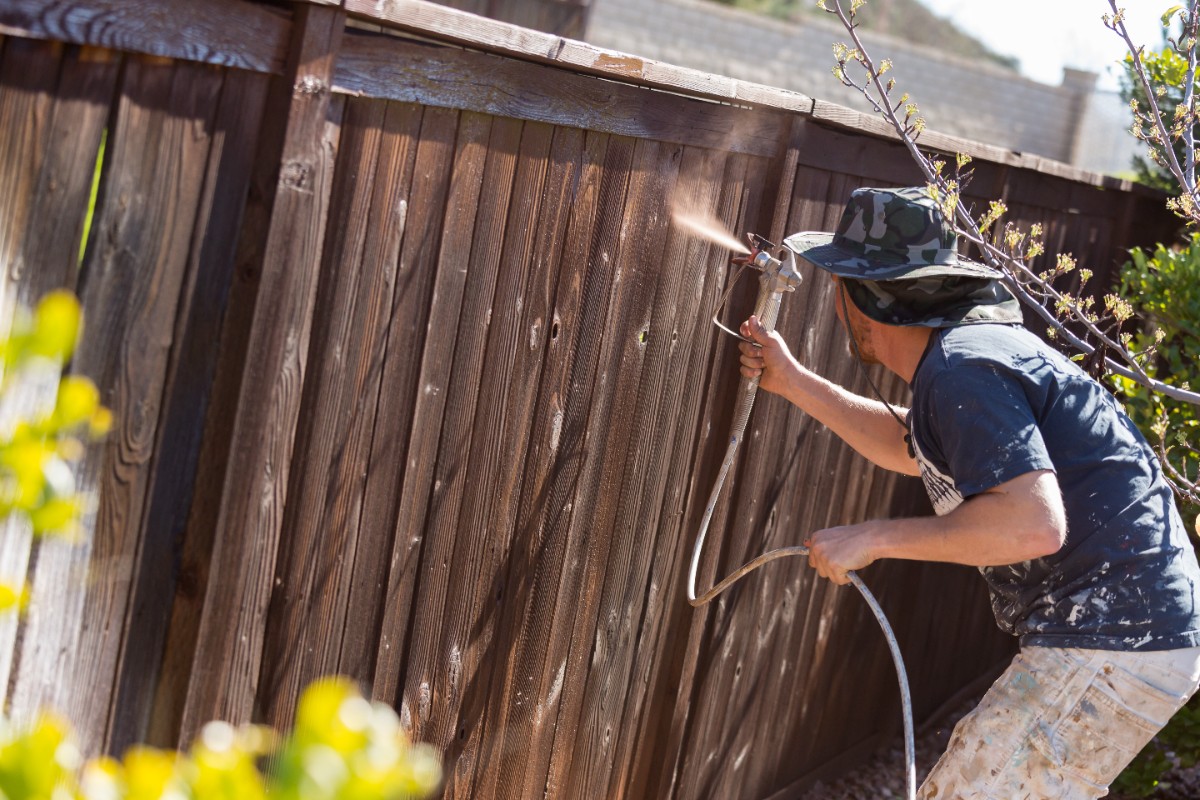
Understanding how to stain a fence helps you evaluate the work and ask the right questions, whether you are evaluating a contractor's approach or deciding who to call.
Timing a fence staining project in Seattle means working around the weather. A professional will schedule the work around a dry window with the right temperature range for the product being used. Staining over damp wood or in the wrong conditions is one of the most common reasons a job fails early.
Surface prep is what separates a stain job that lasts from one that fails within a season. How a professional cleans, dries, and prepares the wood before any product goes on is as important as the stain itself, and it's where cutting corners shows up fastest in Seattle's climate.
New wood also needs time to settle before stain goes on, and how long depends on the wood type and conditions. This is worth confirming before scheduling a staining project on a recently installed fence. Skipping that window is one of the more common reasons a stain job underperforms relative to what the product is capable of.
Application method matters more than most homeowners expect, especially on cedar that has weathered through multiple Seattle winters. The right approach depends on fence style, wood condition, and how the wood has aged, all factors a professional accounts for before any product goes on.
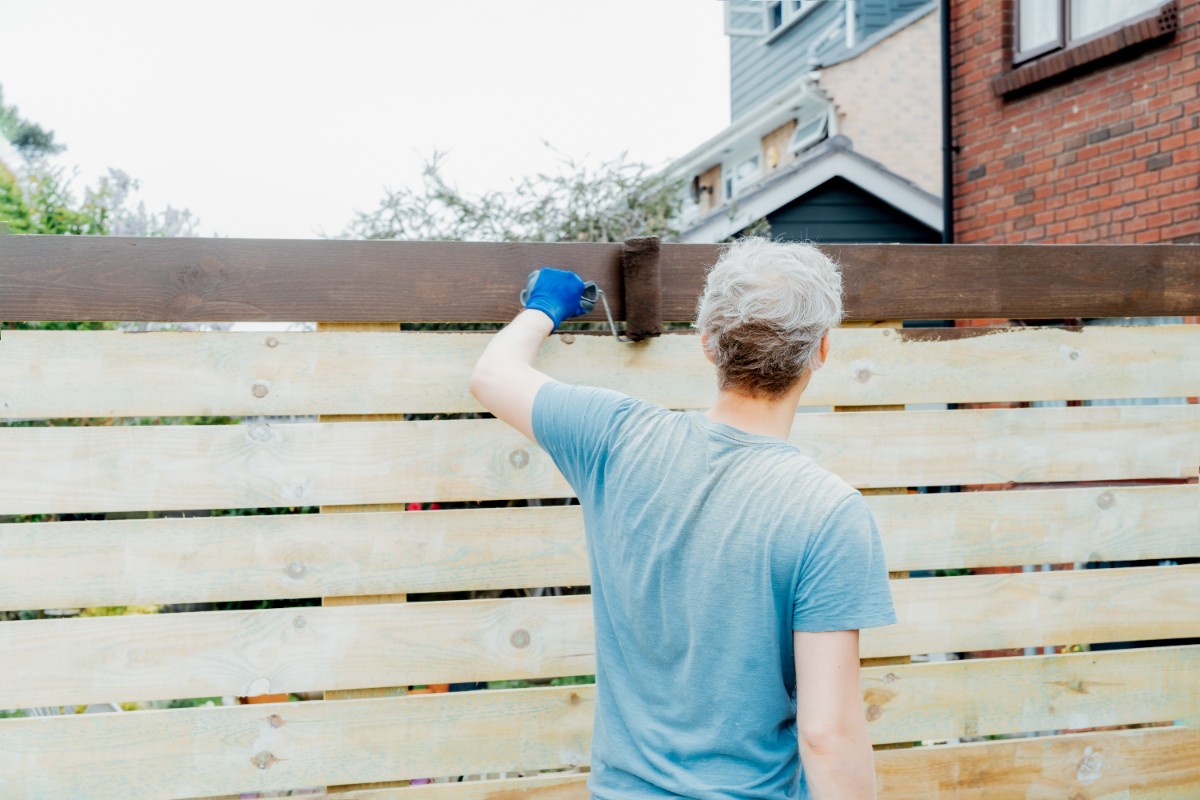
The cost to stain a fence in Seattle depends on fence size, wood condition, how much prep work is required, and whether the project needs repairs before staining can begin. In this climate, prep is rarely a minor line item.
Fences that have been maintained regularly and just need a refresh cost less than fences that have gone several seasons without any protection and require significant cleaning or board replacement first.
In Seattle specifically, prep often takes more time than in drier markets. Wood that has absorbed months of moisture needs proper dry time after cleaning before stain can go on. That affects labor time and project scheduling in a way that flat-market pricing does not reflect.
Any quote for fence staining should be based on an actual look at the fence, not a per-linear-foot estimate over the phone. Condition varies too much from property to property for phone estimates to be reliable.
Staining protects wood that is in good condition. It does not reverse deterioration that has already set in. If posts have gone soft at the base, boards are cracking through rather than just surface checking, or sections of the fence lean or move when pressed, those are structural problems that need repair or replacement before any surface treatment makes sense.
Post deterioration at the soil line is one of the most common failure points on older wood fences in Seattle. The combination of persistent moisture and wood-to-soil contact accelerates decay in a way that staining the boards above never addresses. If the posts are failing, the fence is failing regardless of how well the fence boards are maintained.
A professional assessment gives you a clear picture of what you are actually working with before spending money on maintenance. Sometimes the right answer is a fresh coat of stain. Sometimes it is targeted repairs. And sometimes the fence has reached the end of its useful life and the better investment is a replacement built to hold up for the next 20 years.
The right call depends on what your fence is actually dealing with: surface wear, structural problems, or something in between. If you are not sure which one you are looking at, that uncertainty is worth resolving before any money is spent.
Got a fence you're not sure about? Contour Fence serves homeowners across Seattle, Kirkland, Bellevue, and the greater Eastside. We'll take a look and tell you straight whether it needs a fresh coat, some repairs, or a full replacement. Get a free estimate today and know exactly where your fence stands before the rainy season hits.
A few visual signals tell the story such as graying wood, peeling finish, and boards that feel rough or dry to the touch are all signs protection has worn off. When in doubt, a quick professional check before the rainy season is the most reliable way to know where your fence stands.
A professional will plan around a dry weather window with the right conditions for the product being used. July and August tend to offer the most reliable scheduling windows in Seattle.
Most wood fence stains last two to three years in Seattle's climate, though actual performance depends on product quality, wood condition, and how well the fence was prepped before application. Running the water test once a year in late summer tells you whether a fresh coat before the rainy season makes sense.
The right stain for a Seattle fence depends on wood type, condition, and how the fence has been maintained. A professional will select a product suited for high-moisture climates with the right formula for your specific fence, not a general-purpose stain that underperforms in Pacific Northwest conditions.
The cost to stain a fence depends on fence size, wood condition, and how much prep work is required before staining can begin. Fences in good condition that just need a refresh cost less than those requiring significant cleaning or repairs first. An accurate number comes from a contractor who has seen the fence, not a phone estimate.
If your fence has soft or deteriorating posts, boards cracking through rather than just surface checking, sections that lean or move, or visible decay at the base, those are signs the fence needs assessment before staining. Staining over structural problems covers them up without fixing them.
Application method, surface prep, and timing all affect how long a stain job lasts. On older Seattle cedar especially, the condition of the wood going in determines how well the stain penetrates and whether it holds through the following rainy season. A professional will assess all three before the job starts rather than troubleshoot after the fact.
Every two to three years is the general guideline for Seattle's climate. Having your fence assessed annually in late summer, before the rainy season starts, gives you an early signal of whether it needs attention before winter sets in.
.jpg)




.svg)
No commitment · On-site or virtual


.svg)

.jpg)

