
Low-maintenance does not mean zero maintenance. What it really means is a fence that holds up against the things Seattle throws at it without demanding constant attention.
A low-maintenance fence should:
Here is the part most homeowners do not think about until it is too late: the material only does its job if the fence is installed correctly. A vinyl fence set in shallow posts will lean after the first major windstorm. Chain link with improper tension sags early. The material gets the credit or the blame, but installation is what determines long-term performance.
These are the fencing materials that perform best in Greater Seattle, based on real field conditions.
Vinyl is one of the most popular low-maintenance fencing options for good reason. It is made from durable PVC that resists warping, cracking, and fading even through repeated wet seasons. No painting, no staining, no sealing required.
What upkeep looks like: occasional rinse or wipe down with soap and water. That is genuinely it for most homeowners.
Vinyl also comes in a range of styles and colors, including finishes that mimic natural wood grain, so you are not stuck with a one-look option. It works well for privacy fencing, picket styles, and semi-private designs.
One thing worth knowing: vinyl still needs proper post depth and concrete setting to stay straight over time. Seattle's soil shifts. A fence installed without accounting for that will show it within a few years.
Chain link does not get enough credit in the low-maintenance fencing conversation. Galvanized or vinyl-coated chain link can last decades with almost no intervention. No rot, no warping, and surface rust is not an issue when the coating is intact.
It is a practical choice for larger properties, side yards, and anywhere you need security or pet containment without a high visual barrier. It is also one of the more cost-effective low-maintenance fencing options upfront.
The maintenance concern to watch for is coating damage. Once the galvanized layer is compromised, rust moves in. Damaged sections are worth addressing early before the problem spreads to posts and rails.
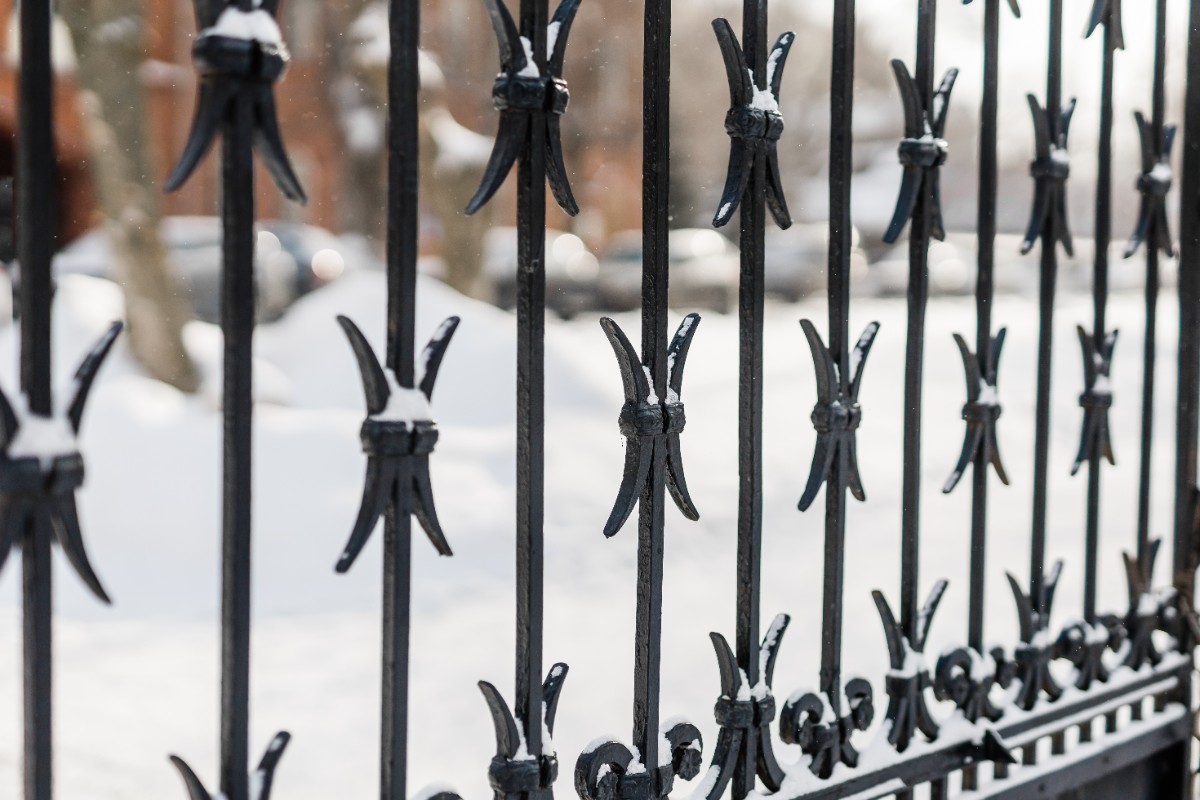
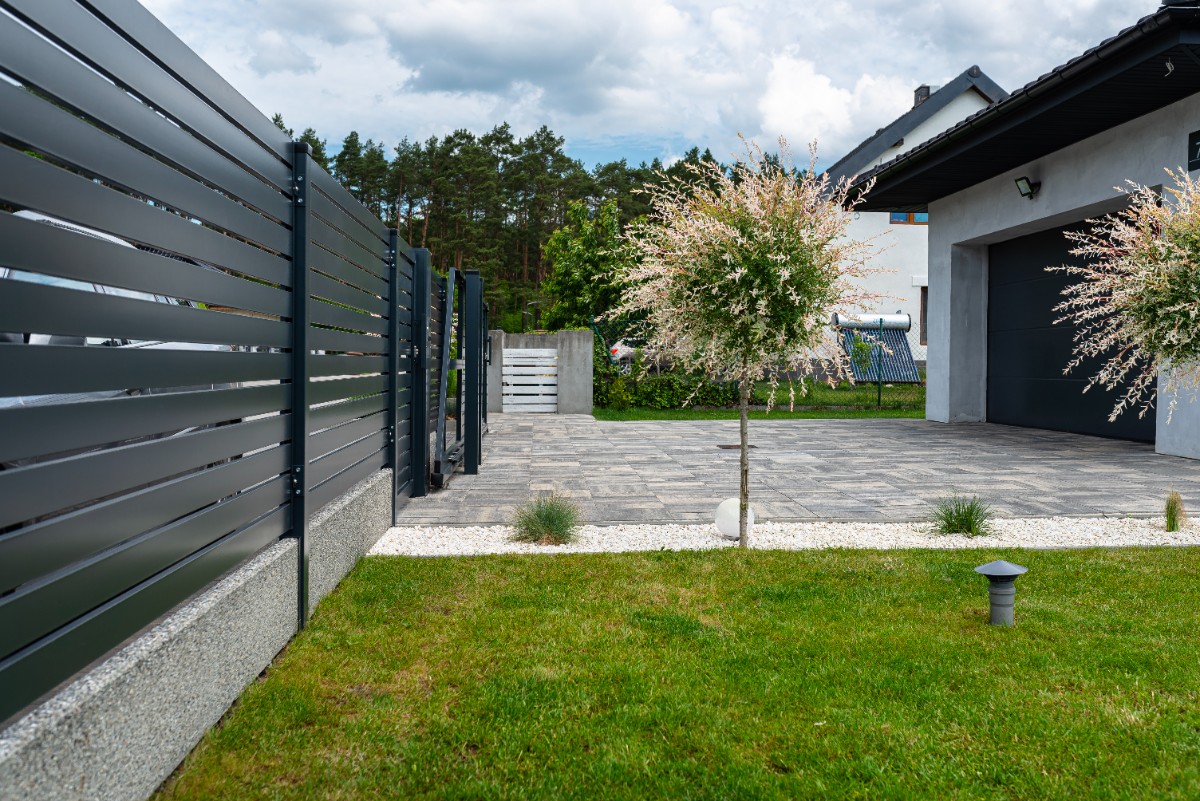
Aluminum and coated steel fencing offer a clean, modern look with strong long-term durability. Aluminum does not rust, which makes it a natural fit for Seattle's wet climate. Coated steel adds strength for higher-security applications.
Both require very little day-to-day upkeep, typically just occasional cleaning to keep the finish looking sharp. The aesthetic works especially well with contemporary home styles and properties where curb appeal and property value matter.
Where homeowners run into trouble is when coating gets chipped or sections get damaged and are left unaddressed. Surface corrosion on steel moves quickly once it starts. A professional repair early saves a full replacement later.
Composite fencing is worth considering if you want the look of a wood fence without committing to what wood actually demands in Seattle. The blend of wood fibers and synthetic materials means it does not absorb moisture the way cedar does, so you are not dealing with the swelling, warping, and soft spots that show up in untreated wood after a few wet seasons.
It holds color well, does not attract insects, and skips the annual staining cycle entirely. For homeowners in areas with HOAs that prefer a natural wood appearance but restrict certain materials, composite often threads that needle cleanly.
The tradeoff is upfront cost. It sits higher than chain link or basic vinyl, but the maintenance savings over 10 plus years tend to close that gap.
If you want a straight answer: vinyl and aluminum are consistently the lowest maintenance options over a 10 to 20 year window in Seattle's climate.
Here is a quick comparison:
Vinyl
Aluminum
Chain Link
Composite
The honest answer is that no material stays low-maintenance forever on its own. Posts shift, gates go out of alignment, hardware wears. The difference is how often and how costly those moments are.
This is worth saying clearly because it affects how homeowners budget and plan. Even the most durable fence in Seattle will eventually show signs of wear, and catching issues early is what keeps a repair from turning into a full replacement.
Signs your fence needs a professional look, regardless of material:
These are not DIY assessments. What looks like a cosmetic issue on the surface is often a post footing or structural problem underneath. Getting a professional evaluation early keeps the repair scope small.
The best low-maintenance fencing option is the one that actually fits your yard, your HOA, and how you use your outdoor space. Here is how to think through it:
Privacy vs. openness. Vinyl and composite give you full privacy. Aluminum and chain link do not unless you add slats or screening. Know what you actually need before deciding on material.
HOA requirements and local regulations. Many Seattle-area HOAs have rules on fence height, color, and material. It is worth checking before you fall in love with a specific style.
Property layout. Sloped yards, corner lots, and drainage easements all affect what works and what does not. Greater Seattle has no shortage of uneven terrain, and a flat lot in Shoreline is a completely different install from a hillside in Issaquah or a waterfront property in Kenmore. Material and approach both shift depending on what your yard is actually doing.
Long-term value. A lower upfront cost sometimes means higher maintenance costs over time. Vinyl and aluminum cost more to install than basic wood but significantly less to maintain over a decade, providing fewer repairs and a longer typical lifespan.
This is where an in-person estimate does more for you than any comparison chart online. A contractor who has worked across King and Snohomish Counties has seen how different materials perform on different lot types, in different neighborhoods, and under different HOA rules. That context is hard to replicate from a product page.
Seattle's climate is not forgiving to fences that were not built for it. The good news is that vinyl, aluminum, chain link, and composite all hold up well here when the material matches the property and the installation is done right. That second part is where most fence problems actually start.
Low-maintenance is a realistic goal. Maintenance-free is not. The right fence, installed correctly, should go years without demanding much from you. But when something does come up, whether it is a post that shifted after a windstorm or a gate that stopped latching cleanly, getting a professional out early keeps it a small repair instead of a large one.
Contour Fence serves homeowners across Greater Seattle. We install and repair vinyl, chain link, ornamental metal, and wood fences, and we give straight answers about what your property actually needs. If you are weighing your options or already seeing signs of wear on your current fence, reach out for a free estimate and we will take a look.
Vinyl and aluminum are the lowest maintenance fence materials available for Seattle homeowners. Both resist moisture, do not require painting or staining, and hold up well through wet winters. Vinyl is the better choice for privacy, while aluminum works well for decorative and perimeter applications.
Premium vinyl products typically carry warranties of 20 to 30 years, though actual lifespan depends on product quality and installation. Posts need to be set at the right depth in concrete to handle Seattle's soil conditions and wind load. A vinyl fence that leans or shifts early is almost always an installation issue, not a material failure.
Yes. Low-maintenance means less frequent upkeep, not zero upkeep. Even vinyl and aluminum fences can develop post issues, gate misalignment, or panel damage over time, especially after severe windstorms. Addressing those issues early with a professional repair prevents them from turning into full replacements.
Yes, galvanized or vinyl-coated chain link is one of the most durable and low-maintenance fencing options available. It resists rot and warping, and the coating protects against rust for many years. It is not a privacy fence on its own, but for utility, security, and pet containment it is hard to beat on a cost-per-year-of-service basis.
Vinyl privacy fencing is the most common choice for homeowners who want both low-maintenance and full privacy. Composite fencing is another option if you prefer a wood aesthetic. Both can be installed at standard privacy heights and are widely used in residential neighborhoods across Greater Seattle.
Costs vary depending on material, linear footage, property layout, and any site-specific factors like slope or access. Vinyl and aluminum typically cost more upfront than wood but less over time when you factor in maintenance.
If the damage is isolated to specific panels, a gate, or a few posts, repair is usually the right call. If the fence has widespread structural issues, significant rot or rust, or is more than 15 to 20 years old with multiple problem areas, replacement may be more cost-effective long-term. A professional inspection is the best way to get an honest answer specific to your fence.
.jpg)




.svg)
No commitment · On-site or virtual


.svg)


.jpg)
.webp)