

Greater Seattle averages around 39 inches of rain per year, but the bigger challenge is the consistency of it. It's not just one rainy season. It's months of persistent dampness, low light, and conditions that keep deck surfaces wet far longer than most homeowners account for when they're picking materials.
That environment creates specific problems:
A material type that performs well in a drier climate, or even in Eastern Washington, does not automatically translate here. The low maintenance deck options worth considering in Greater Seattle are the ones engineered or naturally suited for sustained moisture exposure, not just occasional rain.
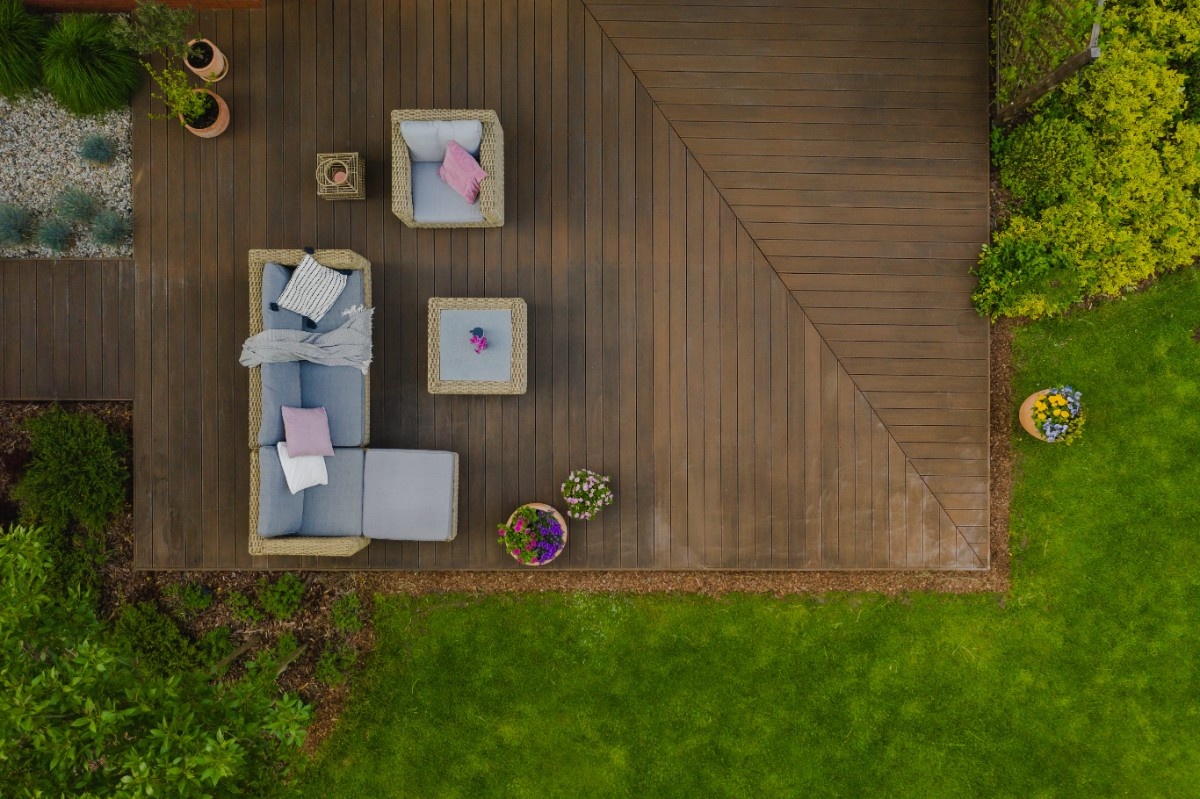
Not everything marketed as low-maintenance actually holds up the way the label suggests. These are the materials that have proven to perform in King and Snohomish counties based on what local deck contractors see in the field year after year.
Fully capped composite is the closest thing to a genuinely low-maintenance deck surface available right now, and the reason comes down to how it's built.
Composite boards combine wood fibers and recycled plastic with a polymer cap on all four sides. That cap is what separates quality composite products from older or cheaper alternatives. Uncapped composite still has an exposed wood-fiber core that can absorb moisture and develop mold over time, which is a real problem in Seattle's climate. A fully capped board does not have that vulnerability.
What maintenance actually looks like with composite:
Premium fully capped composite products typically carry 25 to 30 year manufacturer warranties, though actual lifespan depends on installation quality and product tier. The upfront cost is higher than wood, but when you factor in the elimination of a refinishing cycle and the cost of recurring repairs, the long-term math often works in its favor. For busy Seattle homeowners who want a deck they can use rather than manage, this is the material that earns it.
Port Orford Cedar is native to the Oregon coast. It contains natural oils that give it a genuine baseline resistance to rot and insects, which is a property that sets it apart from many other untreated softwood species. For homeowners who want the look and feel of real wood, it is a legitimate option.
The honest expectation in Seattle though: cedar requires sealing every one to two years to maintain its performance in this climate. Skip that window and you will start seeing moss growth, surface graying, and eventually soft spots in the boards. The degradation does not always announce itself on the surface first. It often starts underneath, in the end grain and anywhere water is pooling without draining.
What cedar maintenance actually looks like:
Cedar is not a set-it-and-forget-it material in this region. But for homeowners who want natural wood and are willing to stay on a maintenance schedule with a professional, it holds up well and looks better over time than most alternatives.
Tigerwood is a dense tropical hardwood decking with a Janka hardness rating that puts it well above cedar decking. That density gives it natural rot resistance that outlasts most domestic wood species, and the grain pattern is genuinely distinctive in a way composite cannot replicate.
The maintenance reality is lighter than cedar but still present. Tigerwood needs periodic oiling to maintain its color and prevent surface cracking as the wood responds to Seattle's temperature swings and sun exposure. Without it, the boards will gray and can develop surface checks over time.
This is a premium material that rewards professional deck installation and care. Spacing, hardware selection, and drainage setup at installation determine how the deck performs long before the first maintenance visit. When it is built right and maintained correctly, Tigerwood is one of the longest lasting deck materials available.
The upfront price difference between composite and wood is real. Composite decking installation generally runs higher than cedar or hardwood per square foot at the time of build, though costs vary based on product selection and project scope. Contour can walk you through what to expect for your specific build.
Here is what the long view actually looks like:
Composite:
Cedar or Hardwood:
For homeowners comparing these on sticker price alone, the gap closes faster than expected once ongoing professional upkeep is factored in. The long-lasting deck material is not always the cheapest one to build. It is the one that holds up without compounding costs year over year.
Neither wood option is wrong. But they require a different kind of commitment than composite, and that commitment is more demanding in Seattle than in most other markets.
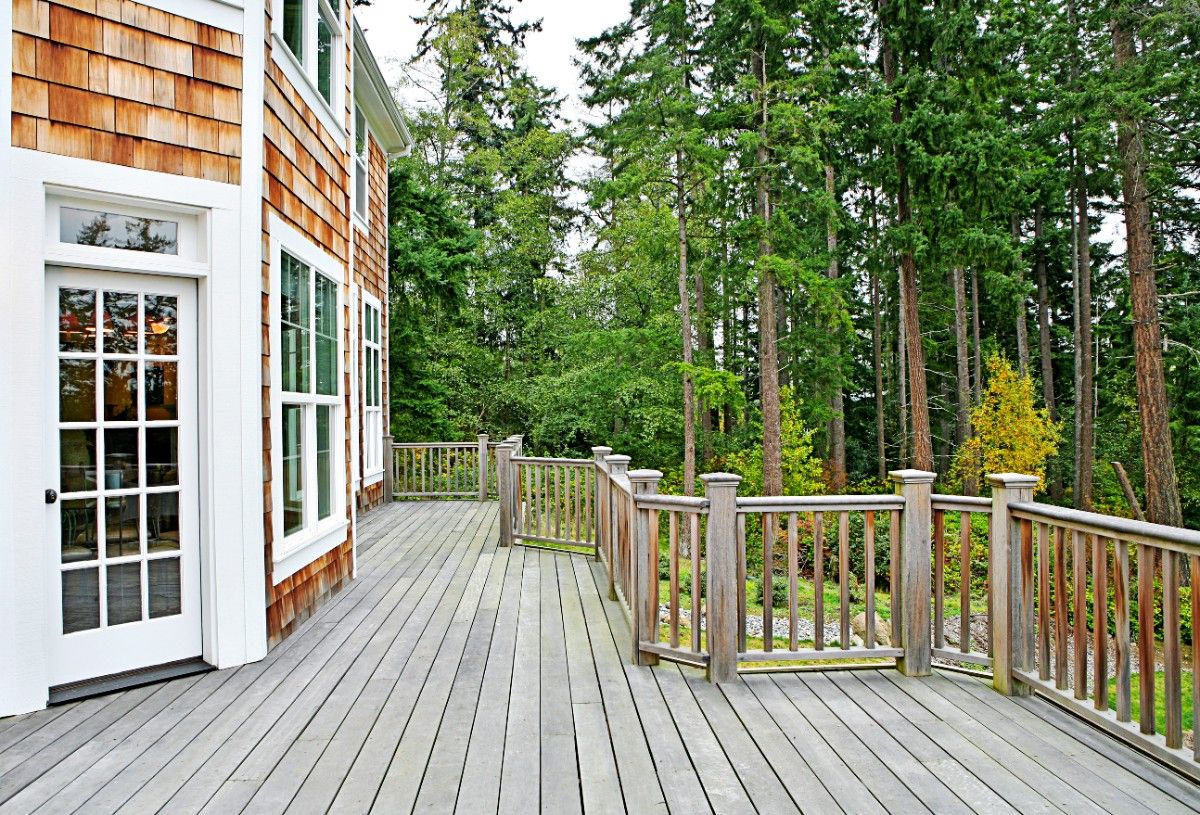
No decking material is completely maintenance-free. What changes between materials is how often you need to think about it and what happens when life gets in the way and you don't.
With composite, the consequence of skipping a year is a deck that needs a good rinse. With cedar or hardwood in Seattle, the consequence of skipping the maintenance window is boards that start failing from the inside.
That gap matters for homeowners who are not planning to monitor their deck on a seasonal schedule. It also matters for the installation itself. Professional installation affects how every material performs regardless of which one you choose. Proper board spacing controls drainage.
The right hardware prevents corrosion at the fastener level. Correct ledger attachment and flashing protects your home's framing, not just the deck surface.
A deck built with the right decking material and installed correctly by someone who knows Seattle's conditions starts its life in a better position than one built on price alone.
This comes up often in conversations with Greater Seattle homeowners, and the honest answer is that there is a point where repairs stop making financial sense.
Watch for these signs:
If you are seeing more than one of these, a patch job is probably not the answer. The underlying structure may already be compromised, and repairing the surface without addressing what is underneath puts you in the same position again within a few seasons.
A professional assessment gives you a clear picture of what you are actually working with before you spend money on the wrong solution.
Seattle's climate is the variable that makes this decision harder than it looks on a product comparison chart. The right low-maintenance deck options for Seattle come down to one thing: matching the material to the climate and building it correctly from the start.
Composite gives you the lowest ongoing commitment. Cedar and Tigerwood give you the look of natural wood with the understanding that upkeep is part of the investment.
If you are weighing your options or dealing with a deck that has seen better days, Contour Fence works with Greater Seattle homeowners across King and Snohomish counties to assess, plan, and build decks that hold up. Reach out to us for a free estimate and we will walk you through what makes sense for your specific property.
Fully capped composite decking is the most low-maintenance option for Seattle homeowners. It resists moisture, mold, and fading without requiring sealing or staining. An occasional wash is typically all it needs to stay in good condition year after year.
In the Greater Seattle area, cedar decks generally need professional cleaning and resealing every one to two years. The persistent dampness and low-light conditions common across King and Snohomish counties accelerate surface degradation when that schedule slips.
For most Seattle homeowners, yes. The elimination of a recurring sealing and staining cycle, combined with a 25 to 30 year lifespan, makes composite competitive on a long-term cost basis even against lower-priced wood options. The math shifts further when you factor in professional maintenance visits and board replacement costs for wood over the same period.
Capped composite has a polymer shell on all four sides of each board, including the bottom and ends. That cap prevents moisture from reaching the wood fiber core. In Seattle's climate, uncapped composite can absorb enough moisture to develop mold or deteriorate faster than expected. Always confirm the composite product being installed is fully capped.
Yes, when it is installed correctly and maintained on schedule. Brazilian Tigerwood has a natural density that gives it strong rot resistance, but it still needs periodic oiling to maintain its surface and prevent cracking from temperature changes and sun exposure. Professional installation with proper spacing and drainage is especially important for hardwood in this climate.
A properly installed composite deck in the Greater Seattle area typically lasts 25 to 30 years. Lifespan depends on the quality of the product, installation precision, and basic upkeep. Framing and hardware quality underneath the surface boards also play a significant role in overall deck longevity.
Soft or spongy boards, persistent moss growth, unstable railings, corroded fasteners, visible rot at board ends, and recurring repairs to the same areas are all indicators that replacement may be more cost-effective than patching. A professional inspection gives you a clear answer before you invest further in a deck that may have structural issues below the surface.
.jpg)




.svg)
No commitment · On-site or virtual


.svg)

.webp)
