Picking a fence feels simple until you stand in the yard and realize a solid privacy wall out front would look wrong, or that an open picket does nothing to hide the recycling bins. The most common vinyl fence regret we hear in Greater Seattle is not about the material. It is about the style. Homeowners choose the wrong one for how they actually use their space.
The good news: there are only a handful of vinyl fence styles to know, and each one has a clear job. This guide walks through the main vinyl fence types for Seattle and Eastside yards, the colors that work here, and how to match a style to your property. By the end, you will know which vinyl fence styles Seattle fit your goals before you ever call for a quote.
Vinyl fence options in the Pacific Northwest have come a long way, too. If your last mental image of vinyl is a plain white panel from years ago, you will be surprised by the range of shapes, colors, and textures on the market now.
Our weather is hard on fences. Wet winters, damp shade, and long stretches of gray put wood to the test every year. Vinyl skips most of those problems.
Here is why it holds up so well around Puget Sound:
One local tip worth knowing. Airflow matters more here than in drier climates. Solid panels trap moisture against posts, especially on shaded, north-facing lines under all those Eastside trees. It is not a dealbreaker, just a reason to plan placement and drainage early, which a good vinyl fence installation crew handles for you.
Vinyl also plays nice with HOAs. Many Eastside and Snohomish County neighborhoods have rules about fence height, color, and finish. Vinyl comes in neat, uniform panels that tend to pass review without a fight. If you live somewhere with a homeowners association, it is one less thing to worry about.
That covers the material. Now for the part that actually decides how your yard looks and works: the style.
.jpg)
There are four vinyl fence styles in Seattle that cover almost every yard. Each one solves a different problem, so start with what you need the fence to do.
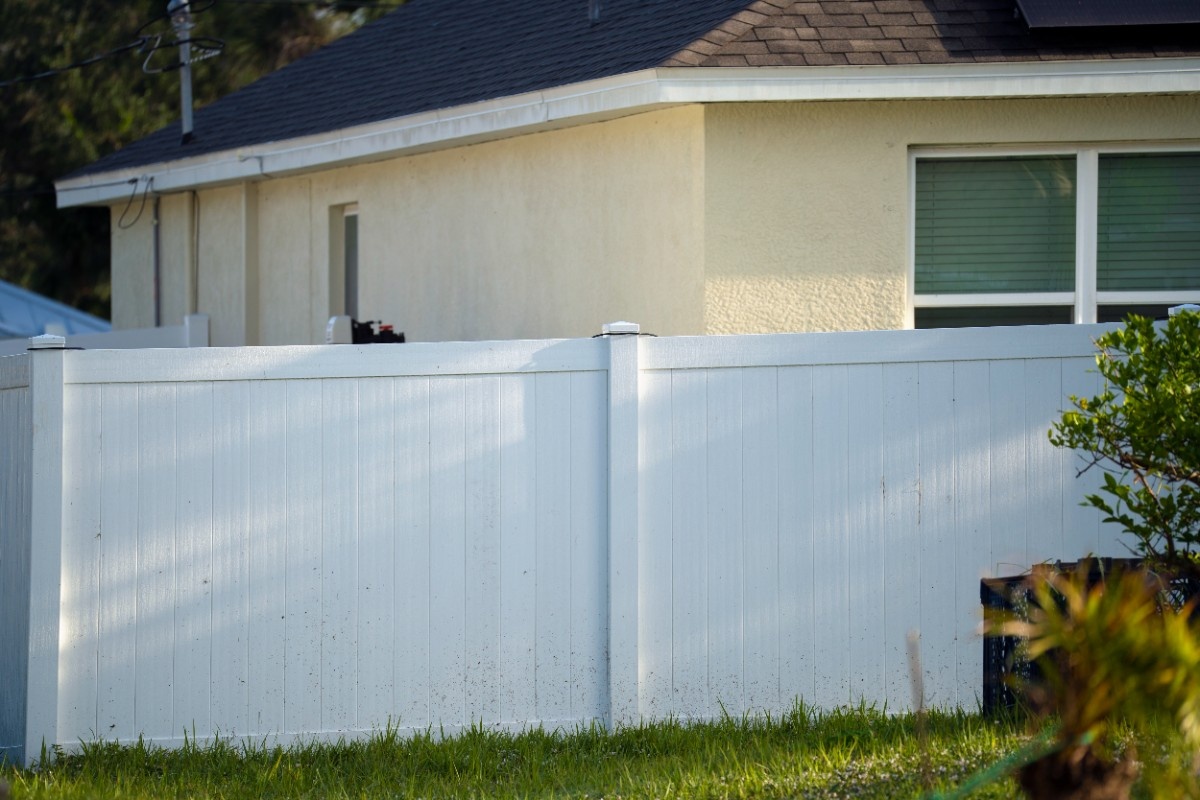
This is the backyard standard, and for good reason. A vinyl privacy fence for Seattle homes uses solid panels that fit together tight, with no gaps to peek through.
What it does best:
It is the top pick for backyards on close lots. Think of the tight-set homes all over Kirkland, Bothell, and Redmond, where your yard sits close to the neighbor's. If you have kids, pets, or a hot tub you would rather keep private, this is usually the one.
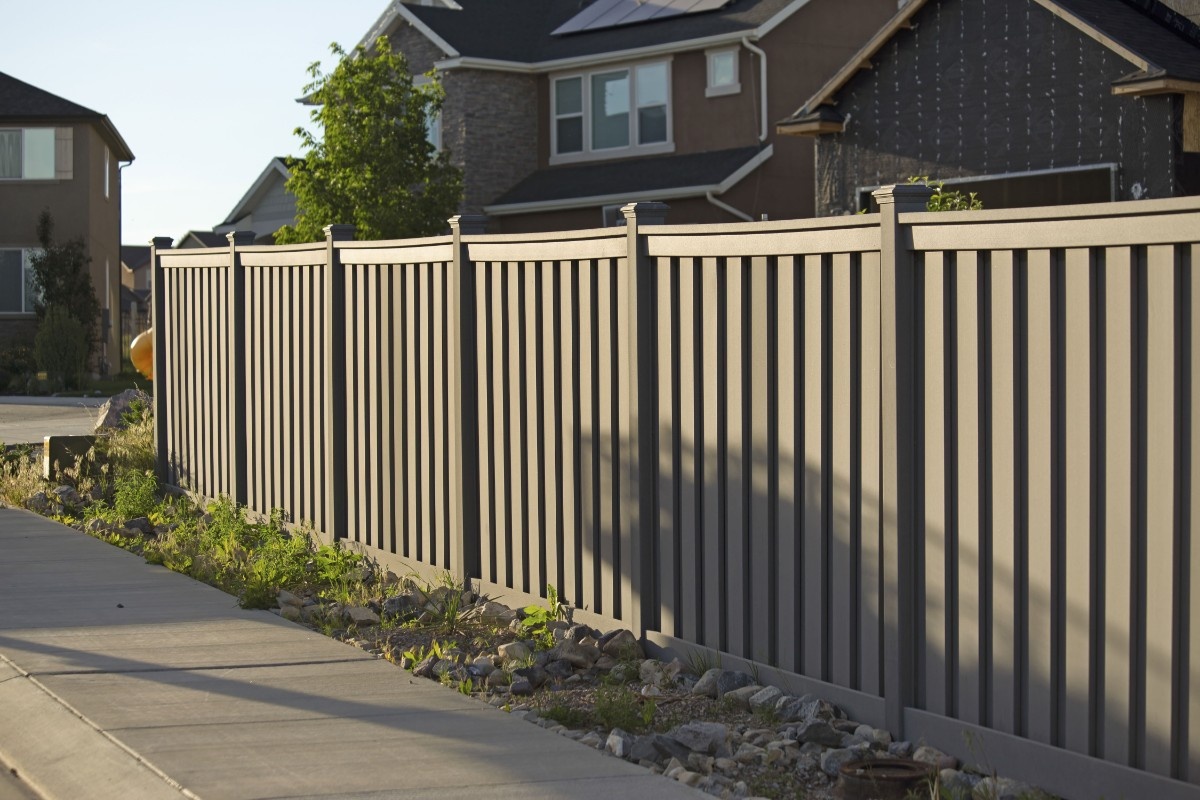
White is the classic look. A soft gray privacy panel is also a common sight on newer Eastside homes.
Most privacy fences stand 6 feet tall. That height does a few things well:
One note for pool areas: check your local code, since some cities have rules on fence height and gate latches around water.
A vinyl picket fence is the opposite idea. Instead of blocking the view, it frames it. Spaced upright boards give you that open, friendly, timeless look.
Where it shines:
Picket marks where your property starts without hiding your home behind it. It is the curb-appeal choice. A crisp white vinyl picket fence out front reads tidy and cared-for, and it never needs a fresh coat of paint to keep that look.
Want privacy but not a flat, solid wall? A lattice top fence gives you both. It is a solid privacy panel with a crisscross lattice pattern across the top.
Why people like it:
It works well around patios and in established neighborhoods like Woodinville, where a little extra detail fits the setting. Catalyst offers a lattice top option, so ask about it during your estimate if you want privacy with more character than a standard panel.
This one is built for wide-open space. A vinyl pasture rail fence uses horizontal rails with no pickets between them, so it defines a boundary without blocking the view.
Best fits:
You will spot this style on bigger parcels around Woodinville, Redmond Ridge, and the more open corners of Snohomish County. Keep in mind what it does not do. Pasture rail is not made for privacy, and the wide gaps will not hold in a small dog. If you want an open, tidy edge for a roomy lot, though, nothing looks better.
Vinyl pasture rail also has a clear edge over wood for this job. A painted wood rail fence on a long run means a lot of upkeep, since every board needs repainting over time. Vinyl skips all of that. It keeps its bright white look across acres without a single coat of paint, which is a real time-saver on a large property.
Color changes the whole feel of a fence, and vinyl gives you real choices beyond plain white. Contour Fence installs Catalyst vinyl (formerly Bufftech), which comes in several colors and textures.
Here is how the main vinyl fence colors tend to play out around Seattle:
One practical perk: Catalyst colors are made to resist fading, so your fence looks close to day-one for years, even through our bright summer stretches. If a specific shade matters to you, confirm what is available for your project when you get your quote.
Still deciding? The vinyl fence styles above each map to a clear use, so match the style to how you use your yard. It really comes down to a few simple questions.
A lot of homeowners end up mixing styles. A privacy fence in the back for the patio, and a picket out front for the look. That is a smart, common setup, and vinyl makes it easy to keep both matching in the same color. Still gathering vinyl fence ideas for your Greater Seattle yard? Browsing local streets is a great way to see how each style reads in real neighborhood settings.
A few other things shape the final call:
If you are still torn between materials altogether, it helps to weigh the trade-offs side by side. Take a look at how vinyl compares to wood before you commit, since the two ask for very different upkeep over the years.
The right vinyl fence style in Seattle depends on your yard, not on what is trendy. Privacy for a close backyard, picket for the front, lattice top for a bit of flair, or pasture rail for open land. Once you know the job, the choice gets easy.
Contour Fence builds fences across Greater Seattle. Our crew installs Catalyst vinyl throughout King and Snohomish counties, sets every post in concrete, and backs the work with a 3-year workmanship warranty. No subcontractors, no surprises, just a clean install that lasts.
Ready to see your options in person? Reach out for a free estimate and we will help you match the right style, color, and layout to your property. Tell us how you use your yard, and we will handle the rest.
Privacy fencing is the most popular style for backyards in the Seattle area. Solid panels block the view and cut noise, which is exactly what most homeowners want on a close lot. Picket runs a close second for front yards.
Yes. Vinyl is one of the best materials for our wet climate. It will not rot, warp, or soak up water the way wood can. A quick rinse keeps it clean, and it holds its look through years of Pacific Northwest rain.
A solid vinyl privacy fence gives you the most privacy. The panels lock together with no space between them, so nobody can see in. A lattice top style keeps that same privacy at eye level while letting a little more light through up top.
Catalyst vinyl (formerly Bufftech) comes in several colors, including white, tan, clay, and gray, plus a woodgrain texture that looks like real wood. White is the most common choice. The colors are built to resist fading, so they hold up well in the sun.
Pasture rail is the best fit for big or open lots. Its horizontal rails define the boundary without blocking the view, which suits acreage and semi-rural properties. Just remember it is not built for privacy or holding in small pets.
In most cases, no. Seattle lets you build a fence up to 6 feet in the side or back yard without a permit. Front yard fences are usually capped lower, around 4 feet, and taller or masonry fences may need one. Rules shift a bit from city to city across the Eastside, so your installer can confirm what your project needs before any work begins.
A quality vinyl fence lasts 20 to 30 years in the Greater Seattle area, often longer. Because it does not rot or need refinishing, it tends to outlast wood while asking for far less upkeep along the way.
It depends on the look and upkeep you want. Vinyl needs almost no maintenance and lasts for decades. Cedar brings a warm, natural look but needs sealing every few years. See how vinyl compares to cedar to decide which fits your home and routine.
.jpg)



.svg)
No commitment · On-site or virtual


.svg)