

If you have been pricing fences and keep landing on national calculators that quote you a Phoenix or Dallas number, you already know the frustration. Those tools have never seen a Puget Sound winter. So let's answer the real question head-on: how much does an aluminum fence cost in Seattle, and is it the right call for a yard that sees eight months of drizzle a year?
Short version, the price sits in a predictable band, and for a lot of Eastside homeowners it quietly beats both cedar and iron once you count everything you never have to do to it again.
Walk through Redmond Ridge or the newer plats around Bothell and you'll spot the same fence again and again: clean black pickets, no rust streaks, no peeling paint. That's aluminum, and you'll spot it more and more on Eastside front yards for good reason.
In a region where cedar greys out and steel weeps rust down your walkway, a fence that simply ignores moisture isn't a luxury feature. It's the entire reason people pick it.
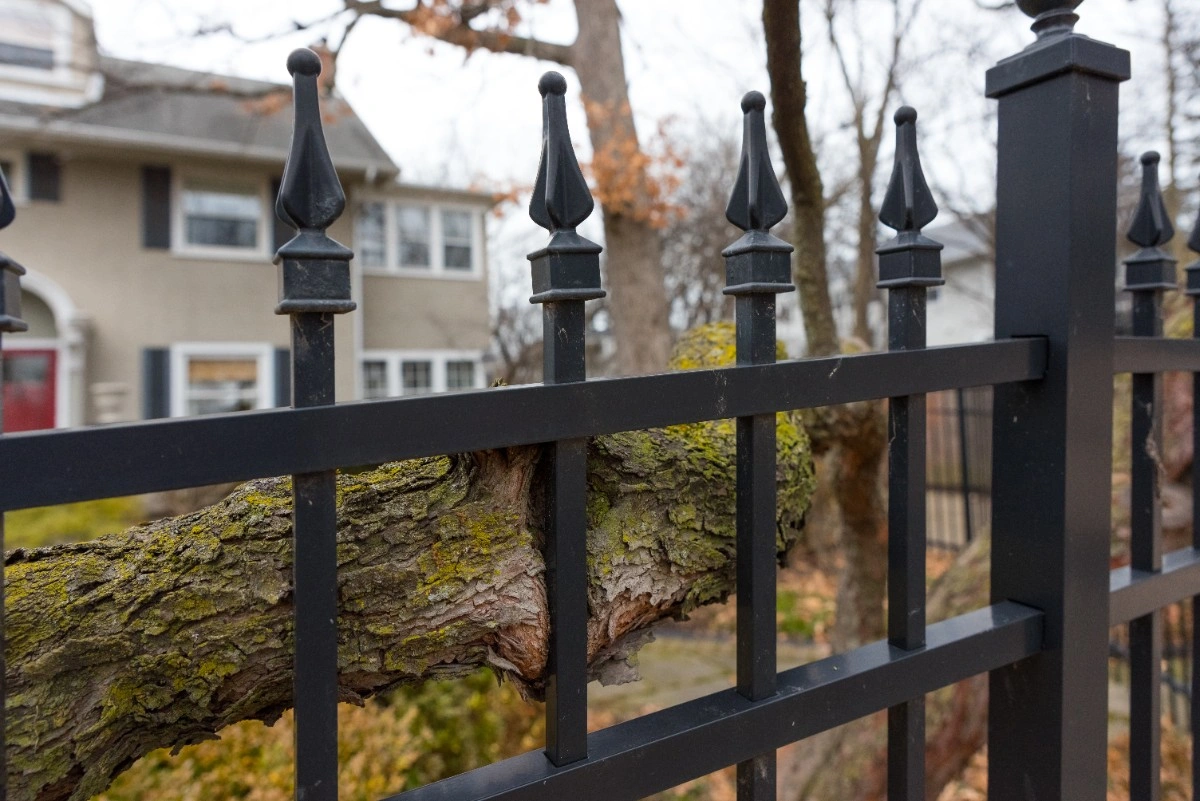
Here's the number you came for. Aluminum fence pricing in Seattle typically runs $45 to $95 per linear foot installed, which means the total cost includes both premium materials and professional installation fees.
Where you land in that range comes down to a handful of factors:
Here's a useful data point if you're comparing across the region: aluminum fence cost per foot tends to be broadly similar across the Pacific Northwest, since the wet climate and soil conditions that shape a fence install don't change dramatically from one metro to the next.
A quick reality check on those online calculators: they're a starting guess, not a final quote. They can't see your slope, soil type, or where a gate needs to swing on a corner lot. If you want to know what an aluminum fence project costs in Seattle for your yard specifically, a written, itemized estimate from a professional installer is the only figure you can actually build a budget around.
Aluminum isn't a single look. The profile you choose reshapes the whole character of the yard, and certain styles suit certain Seattle-area homes far better than others. If you're still gathering aluminum fence ideas before you commit, start with these four.
A straight, level top rail with no points. Clean and modern, which is exactly why it turns up all over Redmond Ridge and the newer Eastside subdivisions with their sharp architectural lines. It pairs naturally with modern farmhouse and contemporary builds.
Here the vertical pickets rise past the top rail into points. It's the classic, formal profile, and it sits beautifully in front of the craftsman and Tudor homes you find around Kirkland and the older stretches of Bothell.
Same look along the top, but the pickets are spaced tighter toward the bottom to shrink the gaps. If you've got a small dog who reads a standard picket gap as an open door, this is the configuration that keeps them on your side of the fence.
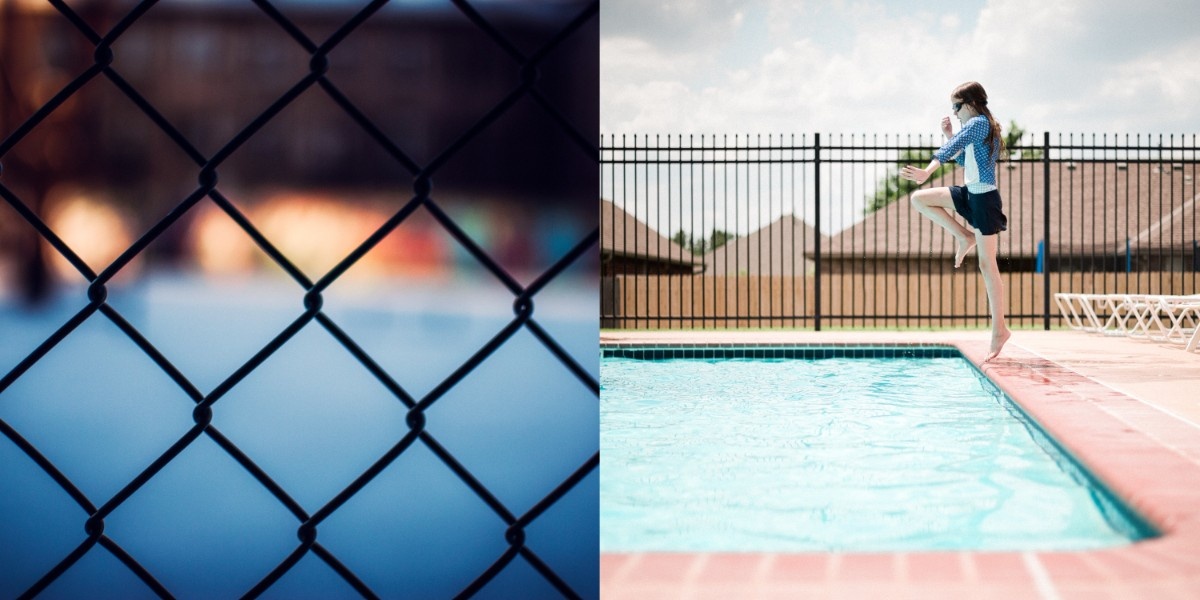
Configurations built to meet Washington's pool barrier code (the International Swimming Pool and Spa Code): a 48-inch minimum height, spacing too tight for a 4-inch sphere, and self-closing, self-latching gates. Aluminum takes these cleanly. Note: a pool barrier needs a permit regardless of height and must pass inspection before the pool is filled. Confirm current specs with your local building department before finalizing.
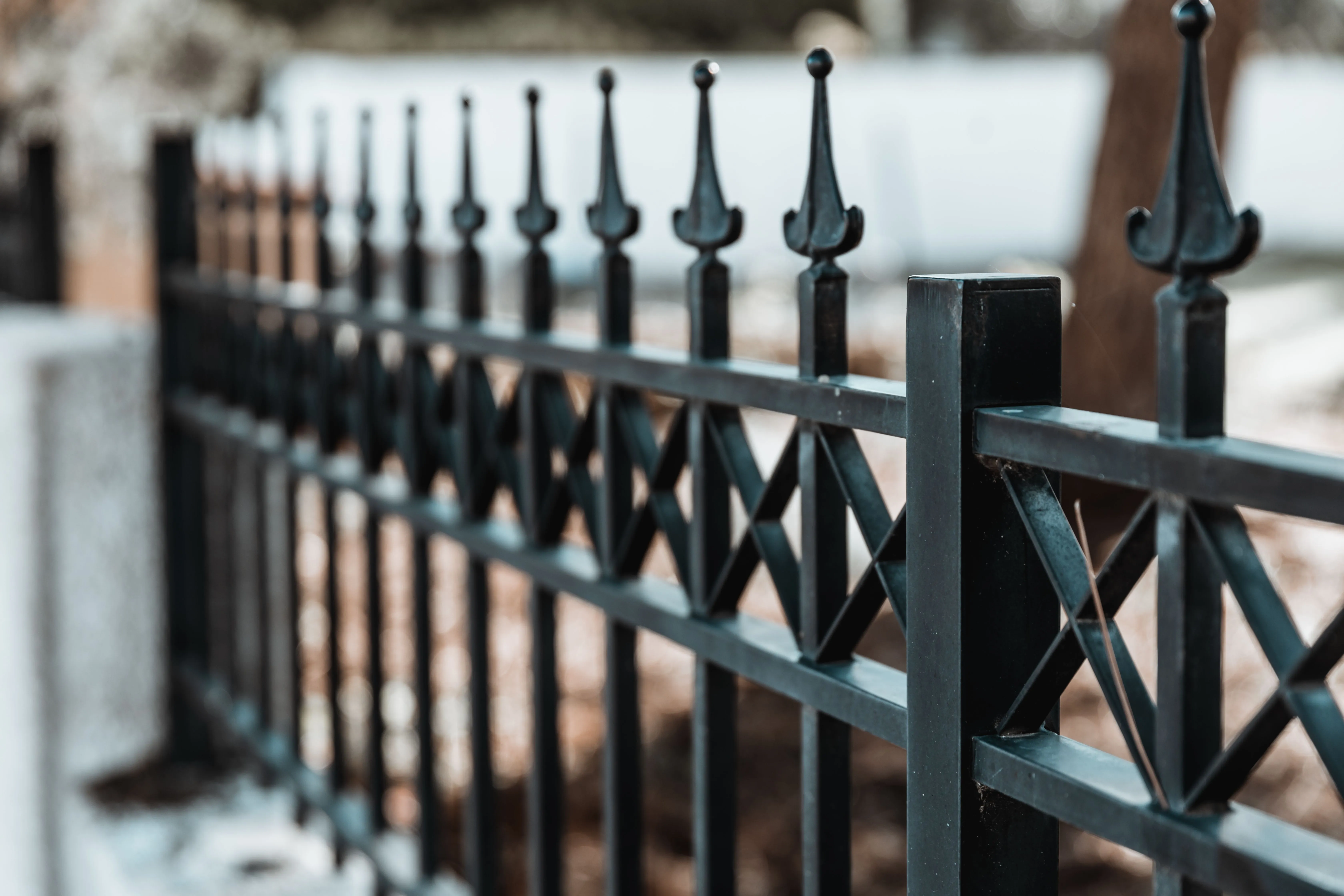
Aluminum is versatile, but it truly shines in a few specific roles:
Anyone shopping aluminum is usually weighing iron at the same time, so here's the straight aluminum vs wrought iron fence comparison with no spin.
So where does iron still win? Mass. For a very large commercial slide gate or a genuine high-security perimeter, the sheer heft of Ameristar steel or iron does something aluminum simply can't. If you need a fence built to stop a vehicle, that's an iron conversation, full stop.
For the overwhelming majority of Greater Seattle homes and light commercial sites, though, aluminum is the smarter spend. Iron earns its premium only when you truly need the weight behind it. If you're leaning that direction anyway, our ornamental iron guide breaks down that side in full detail.
This is where aluminum runs away with the long game.
Set that against cedar, which needs a stain-and-seal cycle every two to three years to stay handsome and not fade to grey. Stretch it over a decade and the math is stark: the aluminum fence you install and forget outperforms the wood fence you keep re-treating every couple of summers.
Aluminum is genuinely hard to beat in this climate. In short, here's why it wins:
For pool enclosures, front-yard curb appeal, and clean commercial perimeters, there's little to argue with.
When you're ready to turn a rough ballpark into a real figure, the crew at Contour Fence will walk your property, confirm your fence line, and hand you an itemized quote. No guesswork, no pressure.
We have been building fences across King and Snohomish counties for more than four decades, and we'll help you match the right style, fence height, and material quality to your yard and your budget. Reach out through our contact page for a free estimate and let's put up something that outlasts the weather.
Most aluminum fence installation in the Seattle area runs $45 to $95 per linear foot with materials, labor costs, and installation fees included. Your final rate depends on footage, panel grade, the number of gates, and how much slope or old-fence tear-out the site involves. An on-site estimate is the only way to pin the exact figure down.
No. Aluminum contains no iron, so it physically cannot rust, and the factory powder coat seals the surface against our constant moisture. That's precisely why it has become such a popular pick for Puget Sound yards where steel fences streak and cedar fades.
Generally yes. Aluminum costs less in both material and labor because it's far lighter to transport and install, and it skips the corrosion upkeep iron demands. You get a very similar look for a lower lifetime cost.
Aluminum is a go-to pool barrier material because it configures easily to code-compliant spacing. Washington follows the International Swimming Pool and Spa Code: a 48-inch minimum height, gaps too small for a 4-inch sphere, and self-closing, self-latching gates. A permit is required regardless of height. Details vary by municipality, so confirm current rules with your local building department before finalizing.
Properly installed aluminum fencing routinely lasts 25 to 30-plus years here, often outliving the homeowner's interest in the original style. Since our wet climate doesn't corrode it, the main variable is the powder coat finish, which holds up remarkably well over decades.
For most dogs, yes. Standard picket spacing contains medium and large breeds easily, and a puppy-panel configuration with tighter spacing near the bottom handles small dogs and puppies that would otherwise wriggle through a standard gap.
It depends on the goal. For full privacy, cedar or vinyl wins. But for an open, premium, ornamental look with essentially no maintenance and no rust, aluminum is well worth it, especially for front yards and pool enclosures where you want to see through the fence rather than wall off the view.
.jpg)




.svg)
No commitment · On-site or virtual


.svg)

.jpg)