

When Seattle homeowners start comparing chain link vs aluminum fence for a pool, the conversation usually starts with cost or looks. It should start with code.
Seattle requires a compliant barrier around any outdoor swimming pool under the Seattle Residential Code and SDCI permitting guidelines. Local municipalities layer additional permitting requirements on top of that. Miss any one detail and the fence fails inspection, regardless of how good it looks.
What inspectors check:
Both materials can meet these requirements. The question is which one makes more sense for your yard, your budget, and how long you want it to last.
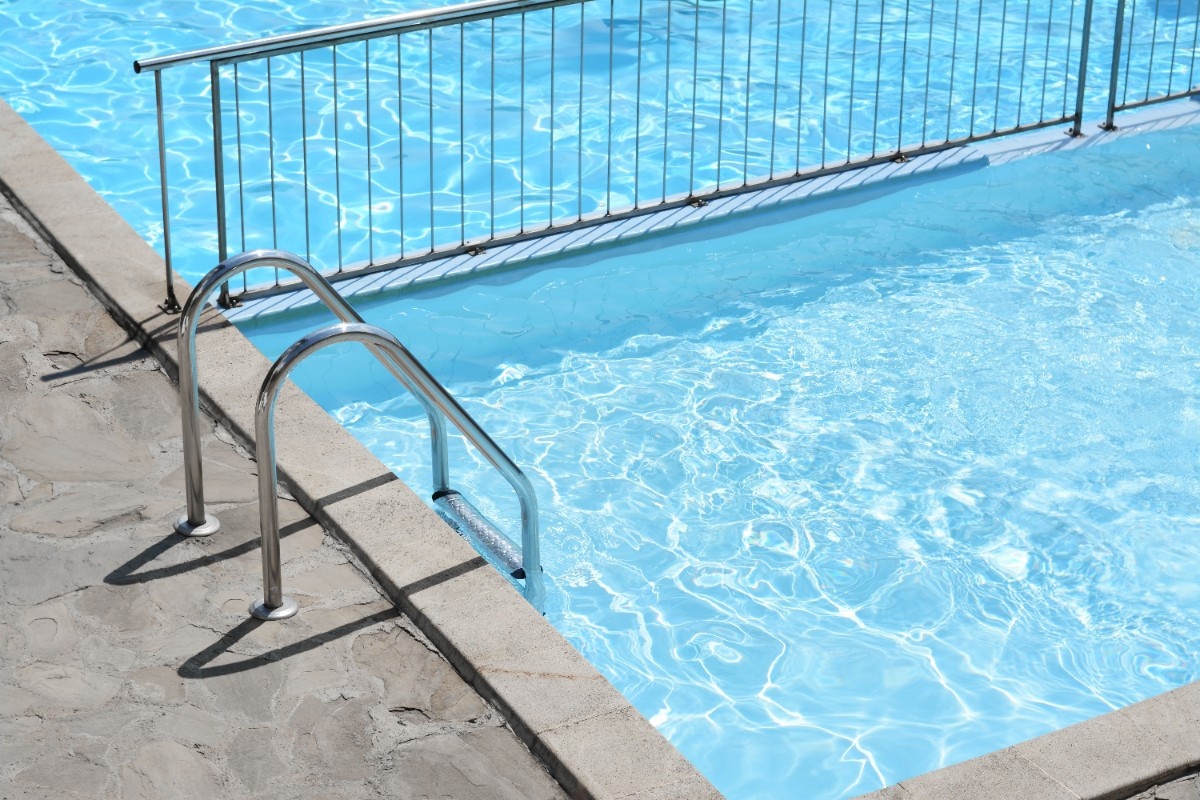
When it comes to chain link vs aluminum fence for pool safety, both fence materials are code-compliant options, but they serve different types of homeowners. Here is a quick comparison before diving deeper:
Chain link is the most budget-friendly pool fencing option and a practical choice when upfront cost is the deciding factor.
It installs quickly, adapts well to sloped or irregular terrain, and holds up in Seattle's wet climate when vinyl-coated. Vinyl coating matters here. Plain galvanized chain link will rust in Pacific Northwest conditions, sometimes within a few years, and the pool environment adds chemical exposure on top of that.
For pool safety compliance, the configuration has to be right from the start. That means correct mesh opening size, self-latching gate hardware, proper post depth for Seattle's soft soils, and consistent height around the full perimeter.
The honest limitation is climb resistance. The open diamond pattern gives kids footholds in a way that vertical picket fencing does not. That is not a dealbreaker, but it is worth understanding clearly before committing.
In Greater Seattle, vinyl-coated chain link pool fence installation typically runs $18–$35 per linear foot installed, depending on lot complexity, post depth requirements, and gate count.
Chain link is a good fit when:
Aluminum is the most popular choice for residential pool fence installation in Seattle, and the reasons come up on nearly every job.
It does not rust. It does not corrode from pool chemicals, humidity, or months of Pacific Northwest rain. And once it is installed correctly, it needs almost no maintenance.
The vertical picket design with narrow spacing and finial tops gives kids very little to grip or step on. That climb resistance is one of the clearest practical differences between the two materials in a pool safety context.
Aluminum also holds its value over time. For homeowners thinking about resale, it reads as a finished feature rather than a utility add-on, and that distinction shows up in how buyers perceive a property.
Aluminum pool fence installation in the Seattle area generally runs $45–$75 per linear foot installed. Premium systems, custom finishes, gates, and difficult site conditions can push costs higher.
That higher upfront number looks different when spread across 25 to 30 years of no rust treatments, no recoating, and minimal maintenance. The per-year math closes the gap considerably.
Aluminum is a good fit when:
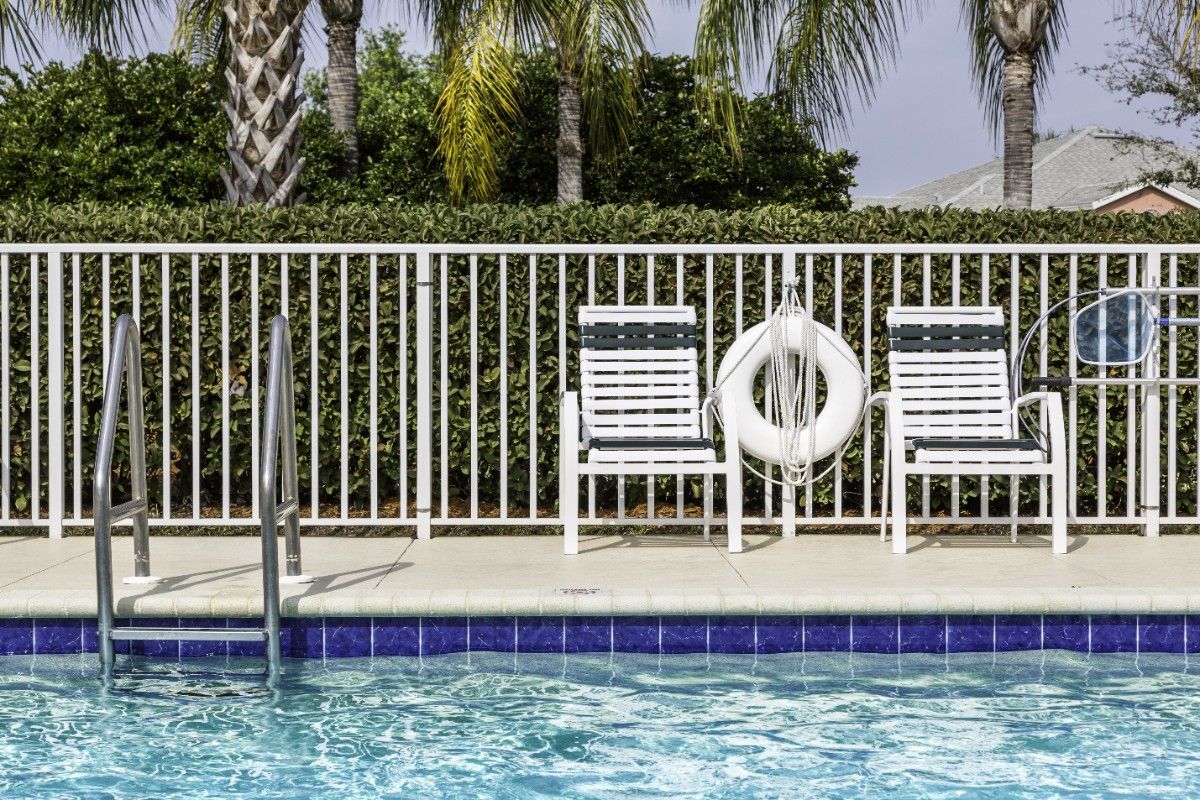
Seattle's climate consistently shifts the long-term value equation toward aluminum.
Persistent rain from November through March accelerates corrosion on any unprotected metal. Vinyl-coated chain link handles this significantly better than galvanized, but it still needs periodic inspection and touch-up over time. Aluminum simply does not have that problem.
Around a pool specifically, the material is also dealing with chemical exposure and elevated humidity on top of standard weather. That combination compounds the durability difference between the two materials year over year.
For homeowners weighing pool fence installation cost, the upfront number is only part of the picture. Maintenance, recoating, and eventual replacement factor into what chain link actually costs over two decades in this market.
Flat, open lots are not common in Seattle. Sloped yards, rocky soil, tight side yard access, and mature trees show up on jobs across King and Snohomish counties, and all of them affect complexity and cost.
Chain link adapts more easily to grade changes. Its flexibility makes it practical for irregular shapes and significant slopes.
Aluminum requires more precise fitting. Panels are prefabricated, so on sloped terrain an experienced installer either racks or steps them to follow the grade while maintaining correct height and ground clearance throughout. It takes familiarity with the material and the site to get that right on the first pass.
In both cases, posts need to be set in concrete suited to the soil conditions of the specific property. Seattle's soft, saturated soils make post depth and concrete work more critical than in drier markets. A post that shifts in wet soil moves the fence above it, and around a pool, that is a safety issue.
This is why an on-site visit before any quote is a baseline expectation. A contractor who prices a pool fence without seeing the yard, the slope, and the access conditions is not giving you a real number.
The best fence for pool safety does not start with digging holes. It starts with someone walking your yard.
Seattle lots are not straightforward. Slope, soft soil, mature trees, tight side yard access, and irregular property lines all affect how a pool fence gets designed and what it actually costs. None of that shows up on a phone call. An on-site visit is how post placement, concrete requirements, and gate positioning get determined accurately for your specific property.
Once the site is understood, material gets matched to your yard, your priorities, and any HOA requirements. The estimate should be itemized, separating materials, labor, concrete, hardware, and permits. A single lump number without a breakdown is not enough information to make a good decision.
Pool fence installations in King and Snohomish counties require permits. The Seattle Residential Code and SDCI guidelines set the baseline, and local municipalities layer additional requirements on top. Permits get pulled and confirmed before a single post goes in the ground, not after the fact.
Posts are set in concrete sized for the wet, saturated soil conditions common across Greater Seattle. A post that shifts in soft ground moves the fence above it, and around a pool that is a safety issue. Rails, panels, and gate hardware are installed to spec and tested before the crew leaves.
Height from finished ground level, ground clearance, gate function, spacing, and fasteners all get verified against the permitted plan. A pool fence that passes that walkthrough is one that will also pass inspection.
If the priority is a compliant, functional fence at the lowest upfront cost and your HOA allows it, chain link installed correctly is a solid choice. It meets pool safety fence requirements, holds up with vinyl coating, and handles difficult terrain well.
If you want a fence that lasts decades without maintenance, provides stronger climb resistance, and holds its value in Seattle's market, aluminum is the better long-term investment for most homeowners.
The right answer starts with your specific yard. Contour Fence serves homeowners across Seattle, Kirkland, Bellevue, Redmond, Bothell, and the greater Eastside with pool fence installation built for local conditions and local code. Contact us for a free on-site estimate and let's get your pool area safe and looking great.
Yes, when installed correctly. Mesh size, gate hardware, height, and ground clearance all have to meet Seattle Residential Code and SDCI requirements. A contractor who knows those specs handles it as part of the installation.
Minimum 48 inches measured from the outside of the fence at finished ground level. Local requirements or site conditions may require taller. Confirm with your local permit office before installation.
No. Aluminum is naturally rust-resistant and holds up against water, humidity, and pool chemicals without corroding. That makes it well suited to both Seattle's climate and the pool environment specifically.
Aluminum. The vertical picket design, narrow spacing, and finial tops give kids very little to grip or step on. Chain link's open diamond pattern provides more footholds, which is a meaningful difference in a pool safety context.
In most cases, yes. A licensed contractor familiar with local requirements handles the permitting process as part of the project.
Sloped yards, rocky soil, and tight access are common across Greater Seattle and affect both complexity and cost. Chain link adapts more easily to irregular terrain. Aluminum requires precise panel fitting on slopes to maintain correct height and ground clearance. Post depth and concrete work are critical in Seattle's soft, wet soils.
An on-site visit before any number is given. Itemized pricing covering materials, labor, concrete, hardware, and permits. Confirmation the contractor knows Seattle Residential Code and SDCI pool barrier requirements. A clear workmanship warranty. A fence that fails inspection or shifts after installation is not just a cost problem. It is a safety problem.
.jpg)




.svg)
No commitment · On-site or virtual


.svg)

.webp)

