
Here is the part that trips people up. You call three fence companies, walk the same backyard with each, and the bids come back thousands apart. Nobody is ripping you off. They are quoting different fences that happen to look similar in a photo.
Cedar fence cost in Seattle usually falls between $50 and $85 per linear foot installed for a standard 6-foot privacy fence. On a typical Bothell or Kirkland backyard, that spread alone can swing the total by five figures. Wood fence cost in Seattle, WA moves this much because cedar is not one product. It is a stack of decisions, each with a price tag.
What actually drives the range:
Work through those five and you can read any cedar quote in Greater Seattle and know exactly what you are paying for. Start with the one that matters most.
If you ask a contractor only one question, make it this one: what grade of cedar are you quoting? Cedar fence grades are the single largest quality variable in pricing, and the grade is almost never printed on the estimate unless you ask.
Clear cedar is the premium tier. Cut from the heartwood, it has few to no knots, a tight consistent grain, and a clean uniform color. It weathers slowly and evenly, holds stain beautifully, and looks like a higher-end fence. The upgrade is real money, but for homeowners in neighborhoods like Redmond Ridge or Mercer Island where the fence is part of the curb appeal, it is often worth it.
Number 2 cedar is the budget-friendly workhorse. It carries visible knots, more color variation, and the occasional tight spot in the grain. It is still real cedar with real rot resistance, but it weathers faster and less evenly, especially the knots, which can loosen over the years. For a back property line the neighbors rarely see, it keeps the project affordable.
Quick way to compare the two:
Neither is wrong. But if one bid is hundreds of dollars cheaper per section, grade is usually why.
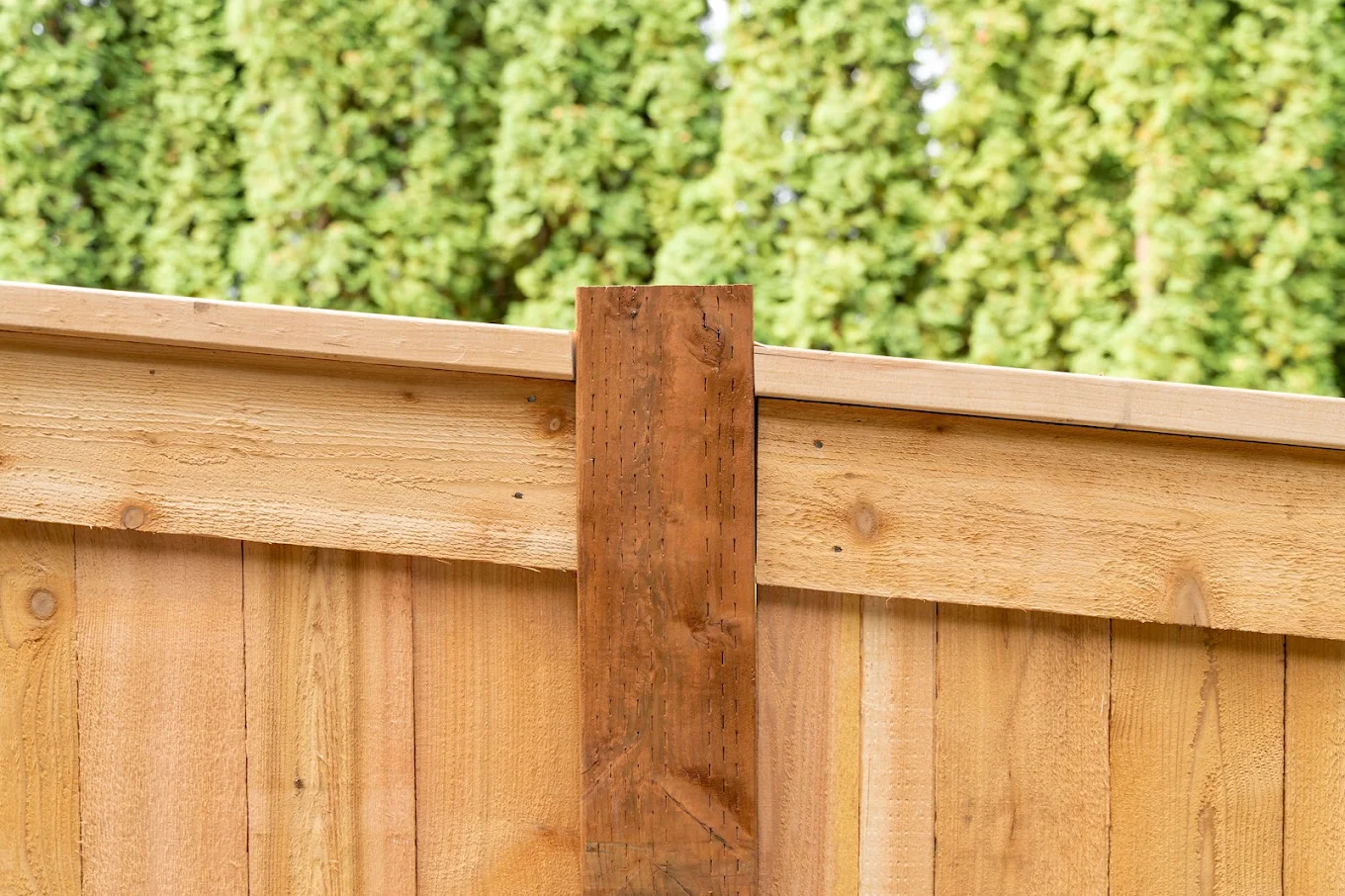
Grade decides how your fence looks. The post system decides how long it stands. In the wet Puget Sound climate, this is where cheap cedar fences quietly fail.
Two common approaches:
That second detail matters more than most line items on the quote. Ground-contact wood rot is the most common reason cedar fences fail early around here. Our soil stays damp for months, and a wood post in wet ground wicks moisture up into the grain until the base softens and the fence leans. Post-on-pipe removes the wood from that equation, which is why it is the standard for quality installs at Contour Fence.
The proof is in the yard. As one Contour customer, Lynn Roberts, put it in a five-star review of her modified cedar panel fence with posts on pipe, it looks great, and the build quality shows.
If a post has already started rotting at the base on an existing fence, that is a repair situation rather than a pricing question. Our guide to replacing a rotted cedar fence post walks through that fix step by step.
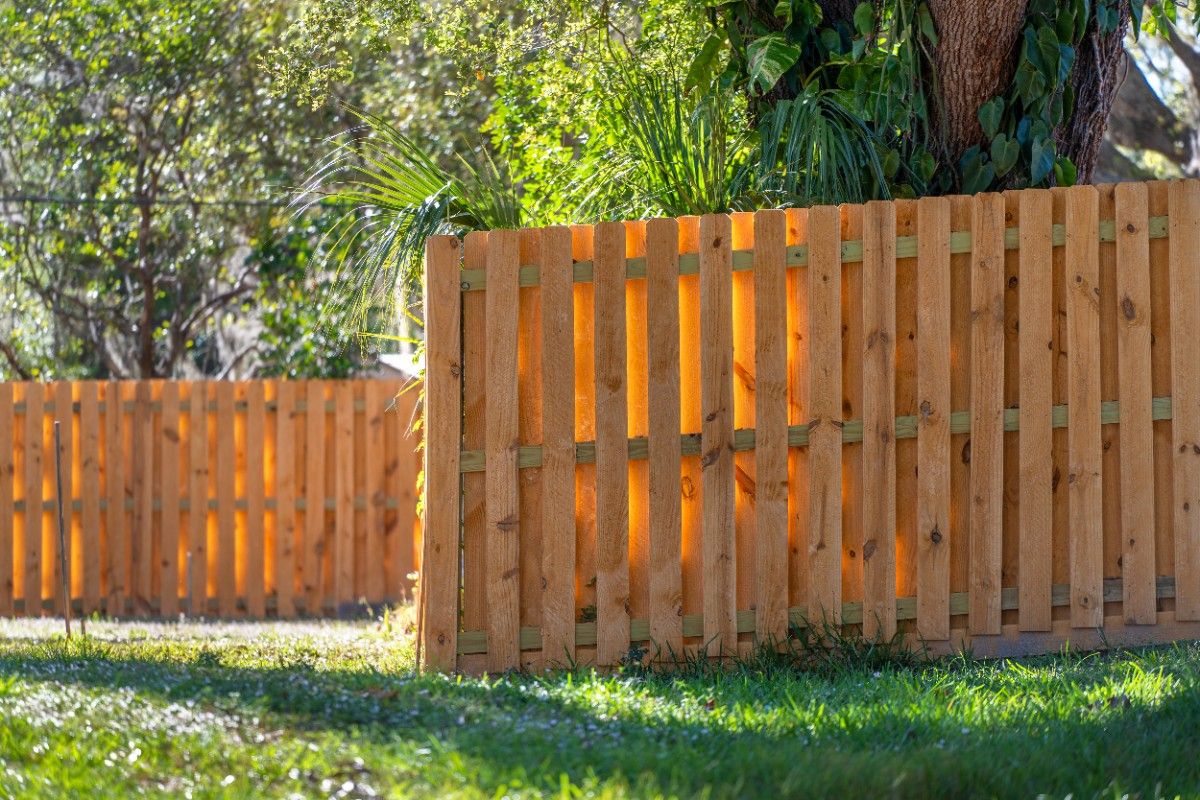
Profile is the style of the boards, and it changes both the look and the cost. Three show up on most Greater Seattle quotes.
Boards butt tightly together with no gaps for full privacy. It is the classic backyard cedar fence and the most common request. More boards per section can nudge the price up slightly.
Boards alternate on opposite sides of the rail with a slight overlap, so there are no straight sightlines but air can pass through. That airflow helps in windy spots because the fence catches less wind load and strains the posts less. Board-on-board cedar fence cost runs a touch higher because it uses more material, but the payoff is a fence that looks finished from both sides and handles gusts better.
Good neighbor is the diplomatic choice for a shared boundary. It looks identical from both sides, so nobody gets stuck staring at the rails and posts. On a fence line you split with the house next door, it keeps the peace.
Airflow and wind load are worth thinking through if your yard catches weather. Our post on how to brace a fence against wind covers when it matters most.
Height is a straightforward multiplier. Six feet is the standard privacy height across most of King and Snohomish counties, and it is what the majority of our quotes are built around.
Going taller has a clear cost:
There is a zoning wrinkle worth knowing. In most Seattle-area residential zones a solid cedar fence can go up to 6 feet without a permit, and going taller is not just a permit question. Seattle allows a total height of 8 feet only if the section above 6 feet is predominantly open, like lattice, so a solid privacy fence over 6 feet is not allowed. Front-yard fences usually cap at 4 feet. Rules shift city to city, so confirm with your local office before planning anything above 6 feet.
This is the line item people cut first and regret later. A cedar fence in the Pacific Northwest lives under months of rain, and the finish is what stands between the wood and that moisture.
The critical application is the first one, done at installation. A penetrating oil-based stain applied to dry cedar before the fence sees its first winter soaks into the grain and seals it while the wood is fresh. Skip it, let the fence go through a wet season raw, and the wood grays before anything protects it. This one line item guards every dollar of your cedar fence cost in Seattle.
Done right at the start, that first stain sets up the regular sealing schedule that can add years to a cedar fence's life. It is a modest cost up front that pushes back the day you pay for repairs.
Now the number. Cedar fence price per linear foot in Seattle lands between $50 and $85 installed for a standard 6-foot privacy fence. Where you sit in that band depends on the choices above plus your specific yard.
What pushes a cedar fence installation cost around Snohomish County or King County up or down:
A cedar privacy fence cost in King County for a flat, easy-access yard with #2 cedar and standard posts sits near the bottom of the range. Add clear cedar, post-on-pipe, a slope, and a couple of gates, and you are at the top. Both are honest numbers for the same fence.
This is why an itemized quote matters. At Contour Fence, every estimate breaks out materials, grade, post system, gates, and labor line by line, with posts set in concrete as standard. If you are weighing other materials, our professional cedar fence installation page and our wood versus vinyl cost comparison put cedar in context.
A cedar fence is built from a handful of choices, and now you can read every one of them on a quote. Grade sets the look and the biggest price jump, the post system decides how long it lasts, and profile, height, and that first stain shape the rest. That is how two fair bids on the same yard end up thousands apart.
For more than 41 years, Contour Fence has built cedar fences across King and Snohomish counties, from Kirkland and Bellevue to Bothell and Everett, with posts on pipe and concrete-set footings as our standard. If you would like a clear cedar fence cost in Seattle for your own yard, request a free estimate and we will walk your property, confirm the details, and show you exactly what your fence will cost.
A standard 6-foot cedar privacy fence in Greater Seattle typically runs $50 to $85 per linear foot installed. The final number depends on wood grade, post system, height, profile, gates, and how easy your yard is to work in.
With a proper post system and regular staining, a cedar fence in the Seattle area commonly lasts 15 to 20 years or more. Ground-contact rot from our wet soil is the main thing that shortens that lifespan, which is why post-on-pipe construction helps so much.
Clear cedar has few or no knots, a consistent grain, and a premium uniform look, and it weathers slowly. Number 2 cedar has visible knots, more color variation, and a lower price, and it weathers faster. Both resist rot, but clear cedar costs more and looks higher end.
Six feet is the standard privacy height for most Greater Seattle yards and blocks typical sightlines well. It is also the tallest a solid cedar fence can usually go in local residential zones. Going higher means the section above 6 feet has to be an open design like lattice, so most homeowners stay at 6 feet for full privacy.
Post-on-pipe sets a galvanized steel pipe in concrete and attaches the cedar post above ground, so no wood touches the soil. It costs a little more up front but prevents the ground-contact rot that causes most early cedar fence failures in the Pacific Northwest, so it usually pays for itself.
In many cases a residential fence up to 8 feet does not need a permit, but zoning is the real limit. Most Seattle-area residential zones cap a solid fence at 6 feet in side and rear yards, allow up to 8 feet only if the upper part is open, and limit front-yard fences to about 4 feet. Rules vary by city, so check with your local department before building.
Cedar usually sits above chain link and near or slightly below vinyl, depending on grade and options. Chain link is the most budget-friendly, while cedar offers a warm natural look and strong privacy with periodic staining to keep it protected.
The most important stain is the first one, applied at installation to dry cedar before the fence sees its first wet winter. A penetrating oil-based stain at that stage seals the wood while it is fresh, and keeping up a regular sealing schedule can extend a cedar fence's life by several years.
.jpg)



.svg)
No commitment · On-site or virtual


.svg)


.jpg)