
The information provided in this blog is for general informational purposes only and does not constitute legal, regulatory, or compliance advice. Contour Fence is a fencing contractor and is not qualified to provide legal guidance to businesses or childcare operators.
Licensing requirements, building codes, and local regulations may change at any time. Readers are solely responsible for verifying current compliance requirements with the Washington State Department of Children, Youth & Families (DCYF), the City of Seattle, and any other applicable local or state authority before making any fencing or facility decisions.
Running licensed child care facilities in Seattle requires more than quality programs and staffing. It also requires creating safe outdoor environments for energetic, curious children. Fences for daycare centers play an essential role in containing activity areas. They also support supervision and match children's developmental needs and energy levels.
Following commercial daycare fence requirements in Seattle helps outdoor and backyard spaces stay secure, practical, and inspection-ready. This applies whether you run a large childcare center or a licensed home daycare. Working with a trusted fence company can simplify the process, from design through installation and maintenance.
Note:
This section reflects general guidance based on publicly available Washington State and Seattle resources. Requirements may change, so confirm current standards with DCYF and the City of Seattle before starting any fencing project.
Licensed childcare centers in Washington State must secure outdoor play areas with a fence or approved barrier to help prevent unauthorized entry and unsupervised child exit. Childcare fencing safety standards are primarily guided by the Washington State Department of Children, Youth & Families (DCYF) through statewide licensing regulations.
Seattle does not maintain separate daycare-specific fencing rules. However, the city may enforce applicable building code, zoning, and permit requirements related to fence installation and construction.
Meeting commercial daycare fence requirements in Seattle helps support preparation for licensing inspections and contributes to safer outdoor environments.
Washington State childcare licensing rules outline general safety expectations for daycare fencing rather than prescribing a single fence type.
Important standards include:
In addition to structural safety, state licensing rules restrict certain treated wood materials in childcare environments. Wooden fencing, playground structures, or outdoor furnishings may not contain hazardous preservatives such as chromated copper arsenate (CCA), creosote, or pentachlorophenol.
If older wood components are suspected of containing these substances, they must be tested and either removed or sealed with an appropriate exterior oil-based sealant, with ongoing maintenance as required.
Common materials used in childcare fencing include wood fences, vinyl fences, aluminum fences, and commercial-grade chain link with rubber coated mesh.
Many childcare providers coordinate state safety standards with Seattle zoning and building regulations when planning installation or upgrades. Contour Fence recommends consulting directly with DCYF and your local municipality to confirm that your specific installation plan meets all current licensing and code requirements.
.jpg)
Fence height is one of the most important factors in childcare fence safety. Washington State licensing guidance generally recommends outdoor childcare fencing be at least 48 inches (4 feet) high. However, property conditions such as terrain, zoning rules, or site layout may require taller fencing under local regulations.
Additional safety considerations include:
Height requirements may vary by property and zoning, so confirm minimum standards before installation.
Commercial childcare facilities in Seattle commonly evaluate fencing options for daycare environments that balance durability, visibility, maintenance efficiency, and aesthetic appeal.
Selecting the best fence for daycare safety often involves balancing long-term durability with upkeep needs. Experienced fence companies can help customize fencing systems to match facility requirements and neighborhood considerations.
Childcare providers sometimes encounter compliance issues due to avoidable installation or maintenance problems.
Common mistakes include:
Regular inspections and understanding Seattle daycare fencing requirements help reduce licensing risks. Fencing is an essential safety component but should be combined with proper supervision and child-friendly outdoor design that encourages kids to walk, explore, and rest safely within the yard.
The items listed above reflect common fencing concerns and are not a substitute for a formal compliance review. Childcare operators should work directly with DCYF and any relevant city departments to ensure full compliance with all applicable regulations.
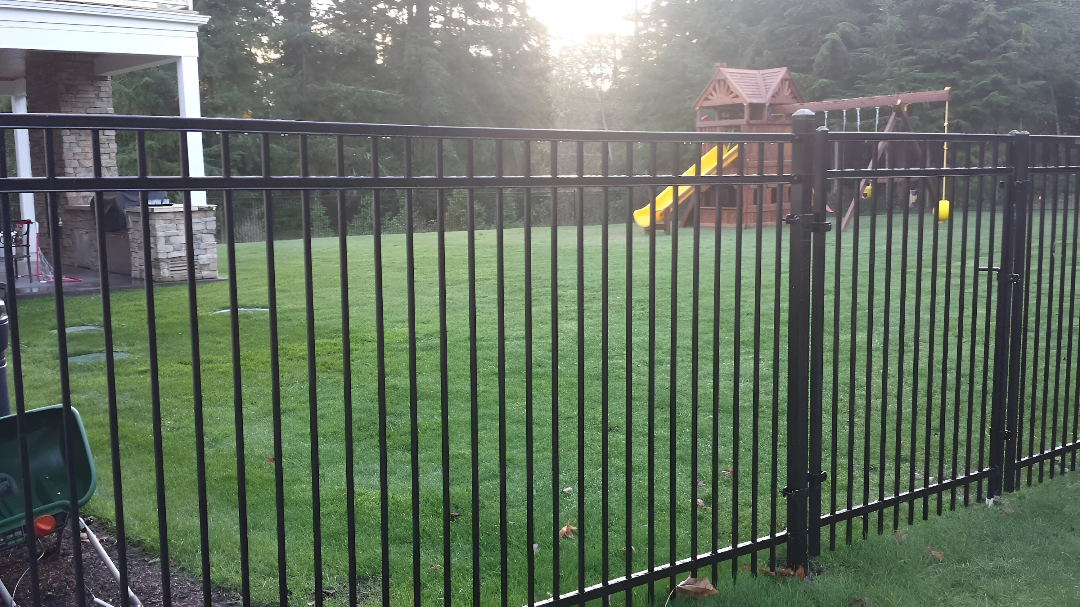
Compliance is a main concern when planning new fence installation or upgrades.
Fencing permits may be required if:
Even when permits are not mandatory, reviewing Seattle building code requirements is recommended before installation.
Permit requirements depend on your specific project scope, property type, and zoning classification. Confirm permit requirements with the City of Seattle Department of Construction & Inspections (SDCI) before starting your project.
For professional assistance, childcare facilities can work with the best fence company offering free quotes and expert guidance on daycare fence projects.
Before inspection or opening a childcare facility, verify:
This checklist is for general reference only and is not a complete or legally verified compliance guide. Contour Fence does not ensure regulatory compliance for any childcare facility. Always confirm current requirements with DCYF and the City of Seattle before opening or during inspections.
Meeting commercial daycare fence requirements in Seattle helps protect children, staff, and business reputation. Proper materials, appropriate fence height, and secure gate systems create safe spaces where children can move freely under supervision.
Adding practical daycare fencing ideas such as painting, decorative panels, or privacy-enhancing pickets can improve the play area’s appearance while maintaining safety compliance.
Contour Fence provides commercial fence installation services in Seattle. Contact us to review your project and build an inspection-ready outdoor space that meets safety and licensing standards.
Commercial daycare fences are generally expected to be at least 4 feet tall, though some properties may require taller fencing depending on zoning, terrain, or site design. Always verify the current minimum height requirement with DCYF and the City of Seattle, as requirements may vary by property and are subject to change.
Yes. Licensed childcare centers must secure outdoor areas with a fence or approved barrier that helps prevent unauthorized entry or child exit. Confirm enclosure requirements with DCYF for your specific license type.
Yes. Gates should automatically close and latch to help prevent children from leaving the secured area without supervision.
Washington State licensing requires enclosed outdoor areas with secure, properly spaced fencing and compliant gates. Commercial-grade chain link, vinyl, aluminum, and treated wood that meets safety standards are commonly used. The appropriate fence type for your facility depends on your specific licensing category and site conditions. Consult DCYF for guidance specific to your situation.
Permits may be required depending on fence height, structural modifications, and zoning classification. Always check Seattle building regulations before installation. Contact the City of Seattle Department of Construction & Inspections (SDCI) to confirm current permit requirements for your project.
Residential fencing often does not meet commercial daycare fence requirements. Licensed childcare facilities should use commercial-grade fencing systems.
Regular inspections, ideally at least quarterly, are recommended to ensure gates, materials, and structures remain safe and compliant.
.jpg)




.svg)
No commitment · On-site or virtual


.svg)


